Combining Knowledge for a Fundamental Innovation of Land Use Program
Pluriverse Project
Pluriversal Land Use: Exploring Institutions, Values and Worldviews
Abstract
While economic efficiency has marginalized nature-based local practices, this project strives for a “Pluriverse” where diverse values thrive in land and forest use. We integrate relational values and environmental humanities into local actions, refining these theories through practical feedback. Through diverse field studies globally and across Japan, we are building the essential foundations for land use to achieve a nature-positive future.
From a One-World World to Pluriversal Land Use
Today, land use is often shaped by a single dominant paradigm that prioritizes economic efficiency above all else. Nature is primarily treated as a resource, while other important values— such as culture, social relations, and care for the environment— are often overlooked. As a result, local practices that live in balance with nature have frequently been regarded as marginal or inefficient and pushed to the periphery of society.
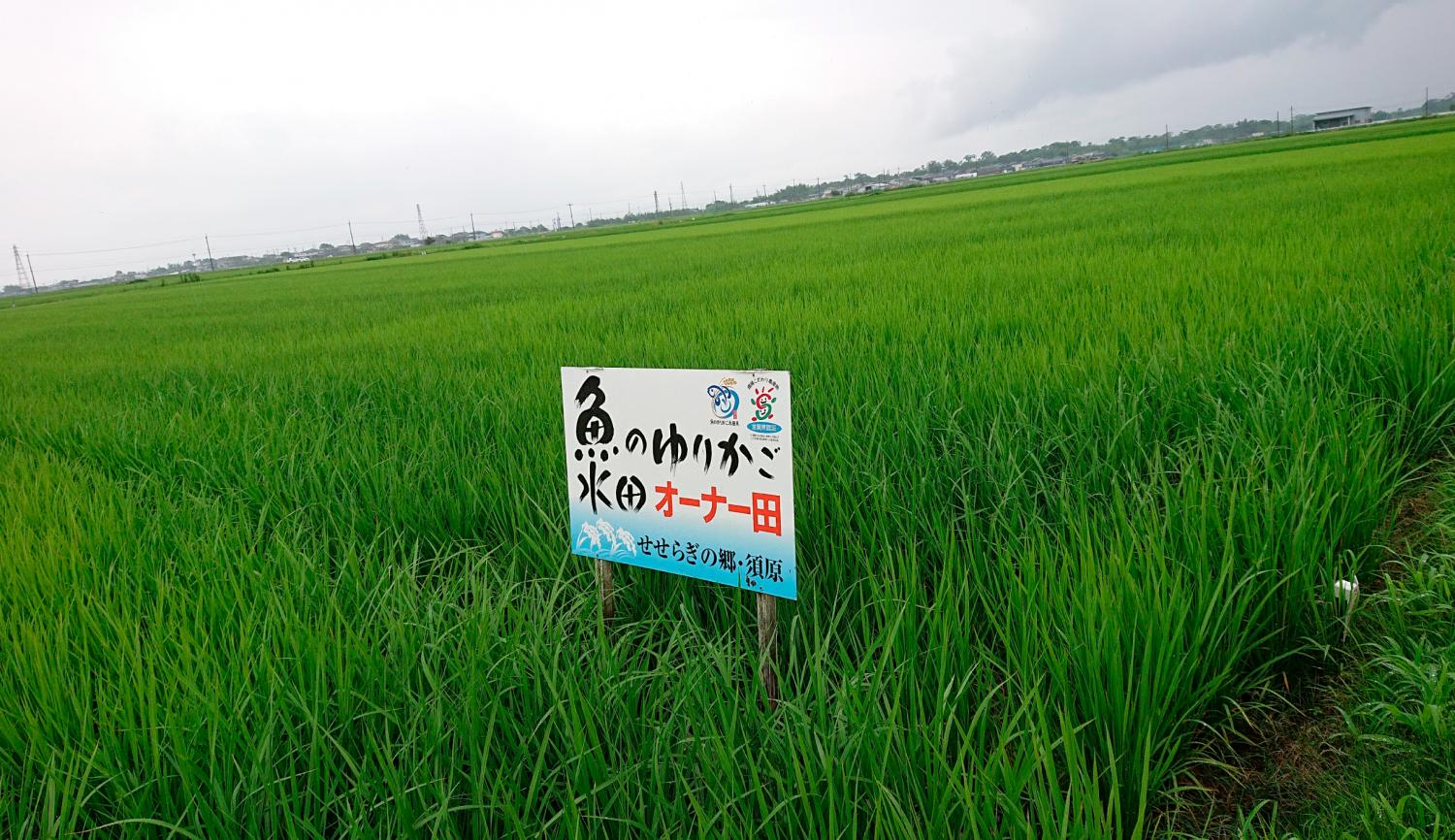
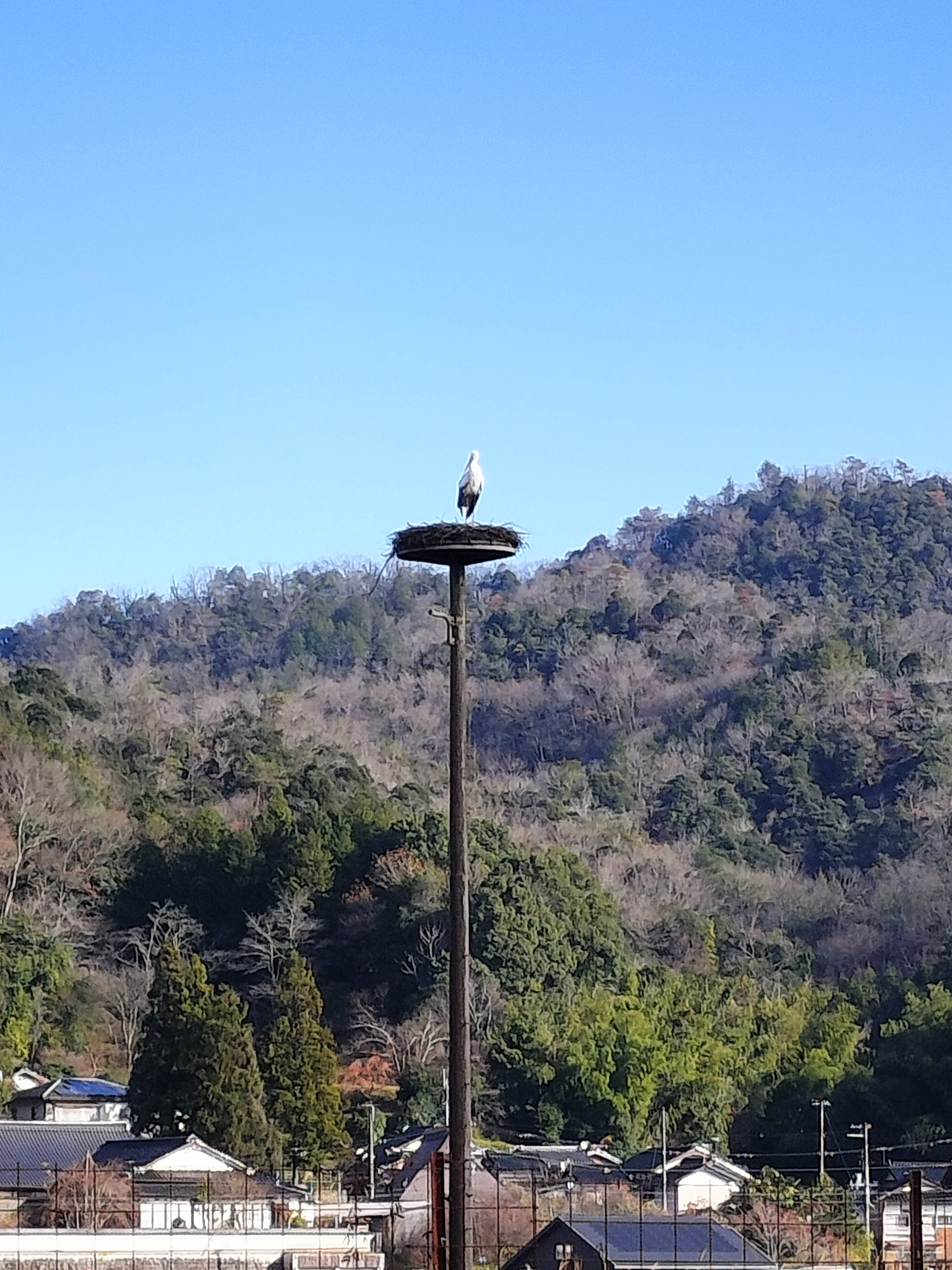
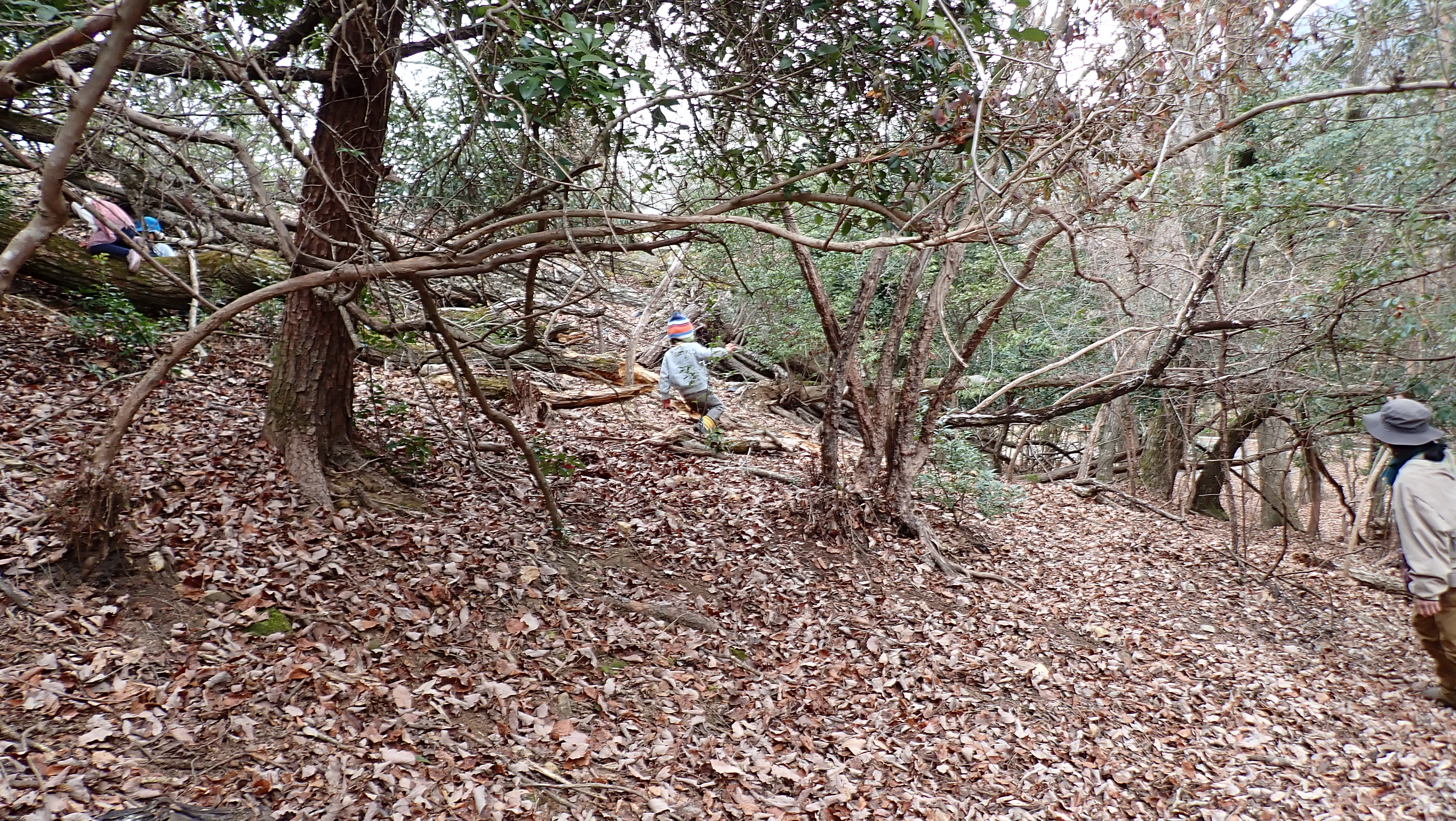
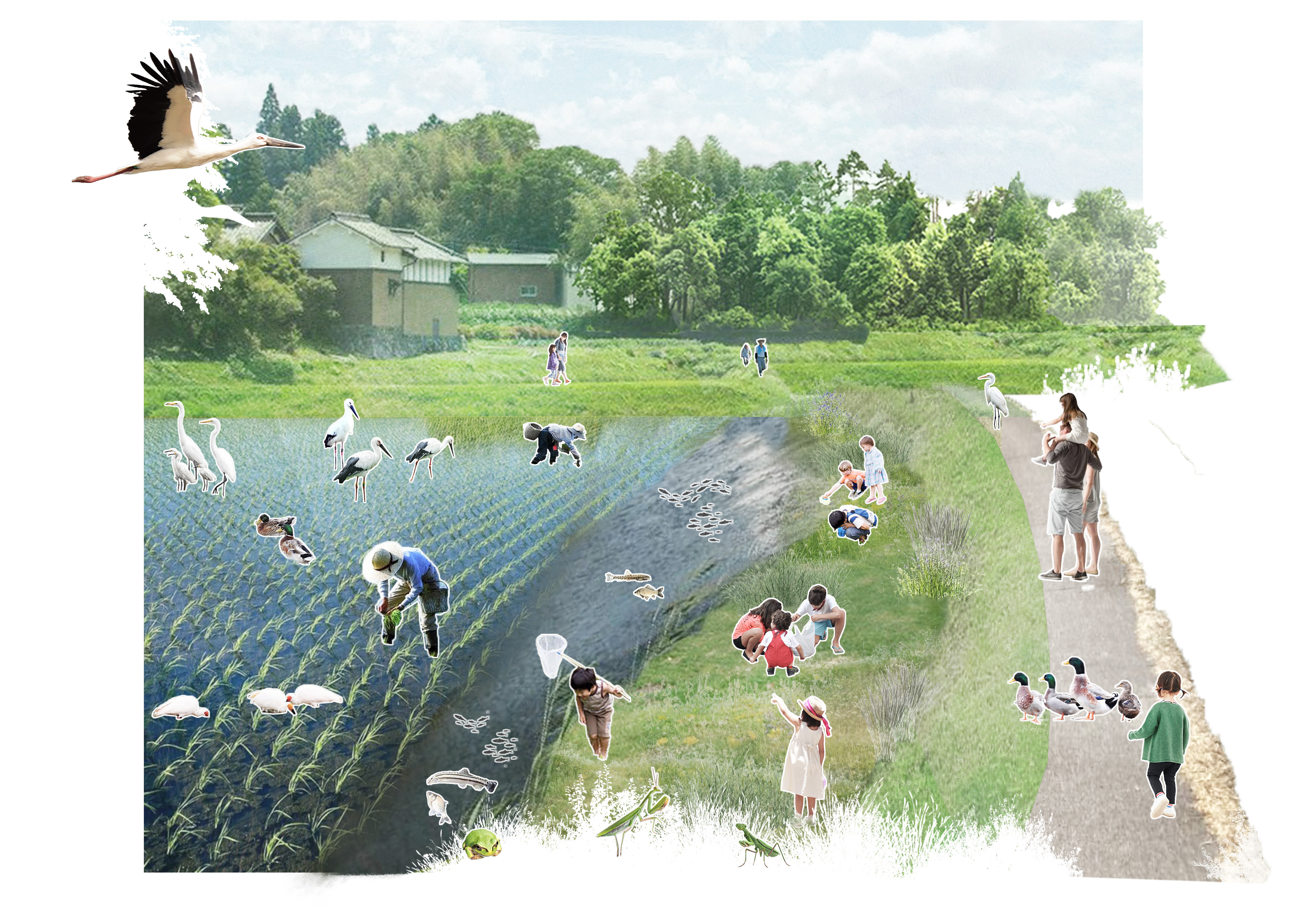
This project challenges that approach by promoting a Pluriversal Land Use—a world in which diverse values and ways of using land can coexist. Focusing on farmland and forests, the project aims to bring these overlooked practices into the mainstream and demonstrate that they offer meaningful alternatives for a sustainable future (Photo 1 · 2).
Supporting Practice through Relational Values
A key idea guiding this project is Relational Values. This concept highlights the interdependent relationships between humans and nature, emphasizing care, responsibility, and long-term relationships rather than short-term gains.
The project uses research from fields such as environmental humanities and biodiversity studies to articulate the significance of local practices. Academic knowledge is mobilized as practical tools that support people working on the ground and helps secure social recognition of their efforts. By linking theory with everyday practice, the project moves beyond economic efficiency as the sole measure of value and instead highlights social, cultural, and ecological importance.
A Transdisciplinary Framework Linking Field Sites in Japan and Abroad
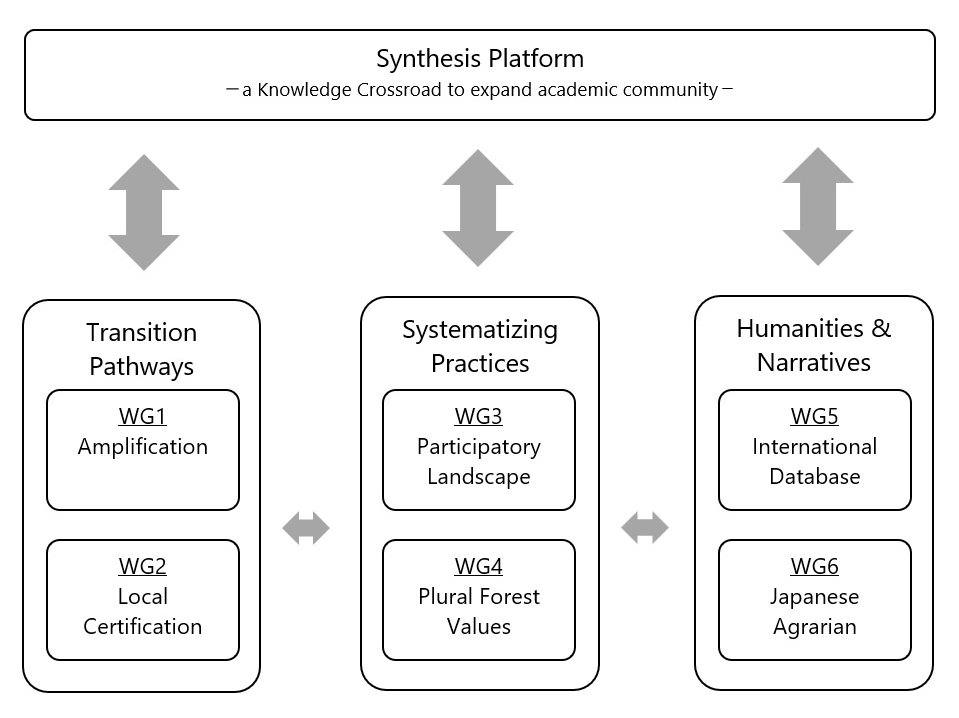
The project brings together six working groups, organized through a shared platform that encourages cooperation across different fields and sectors (Figure 1). Research activities take place in several regions of Japan, including Kyoto, Hyogo, Tokushima, Ehime, and Nagano. The project also examines similar efforts in other countries, contributing to the development of an international practitioner network.
Through these activities, the project aims to translate the concept of Pluriversal Land Use into real social practice, contributing to a nature-positive future in which people and nature can thrive together.
Results
What we know so far
Research during the PR period revealed that the modern “One- World World” paradigm of land use fails to adequately capture nature-based local practices, leading to their marginalization.
To better capture the complexity of real-world situations, the project has expanded and refined its core theoretical framework from a “multispecies” perspective to the more inclusive concept of a Pluriverse.
The research has also identified major barriers to mainstreaming these practices, including overlaps and inconsistencies among legal systems related to farmland, forests, and urban planning, as well as gaps between international policy processes—such as those of IPBES—and on-the-ground realities.
In response, the project has confirmed the effectiveness of its original approach, “Transdisciplinarity (TD) as Practice,” which places the perspectives and knowledge of practitioners at the center of research and action.
New connections
As a key achievement in FY2025, the project developed a concept graphic that visually represents its core ideas (Figure 2). This graphic connects abstract theoretical concepts with real landscape data, serving as a strategic tool for clear and effective external communication.
On the organizational side, the project strengthened its structure to go beyond routine administration and function as a space for intellectual integration. An integrated platform was established to bring together expertise from three streams and six working groups, creating a “knowledge crossroads” where diverse perspectives and insights can interact and inform one another.
Academically, the project consolidated its conceptual foundation through workshops with invited experts and the publication of a special journal issue. These efforts have helped clarify and refine the project’s guiding ideas.
Together, these developments have laid a solid foundation for the full-scale launch of project activities in the coming year.
Member
Project Leader
TAMURA Norie
Associate Professor, RIHN / The Graduate School of Project Design
Researchers and associate at RIHN
SEGURA, Jesse Researcher
SHINKAI Rika Researcher
EBERL Atsuko Research Associate
Main Members
OMOTO Reiko Faculty of Regional Sciences,Tottori University
KAMADA Mahito Graduate School of Technology,Industrial and Social Sciences,Tokushima University
NISHIKAWA Yoshiaki Faculty of Economics, Ryukoku University
MALLEE Hein Faculty of Agricultural and Food Sciences, Kyoto Prefectural University
MIKI Atsuro Faculty of Agriculture, Shinshu University
RUPPRECHT, Christoph Faculty of Collaborative Regional Innovation, Ehime University
Evaluation by an external evaluation committee
Research schedule
| 2024 |
|---|
| FS |