
Combining Knowledge for a Fundamental Innovation of Land Use Program
FairFrontiers Project
Fair for Whom? Politics, Power and Precarity in Transformations of Tropical Forest-Agriculture Frontiers
Abstract
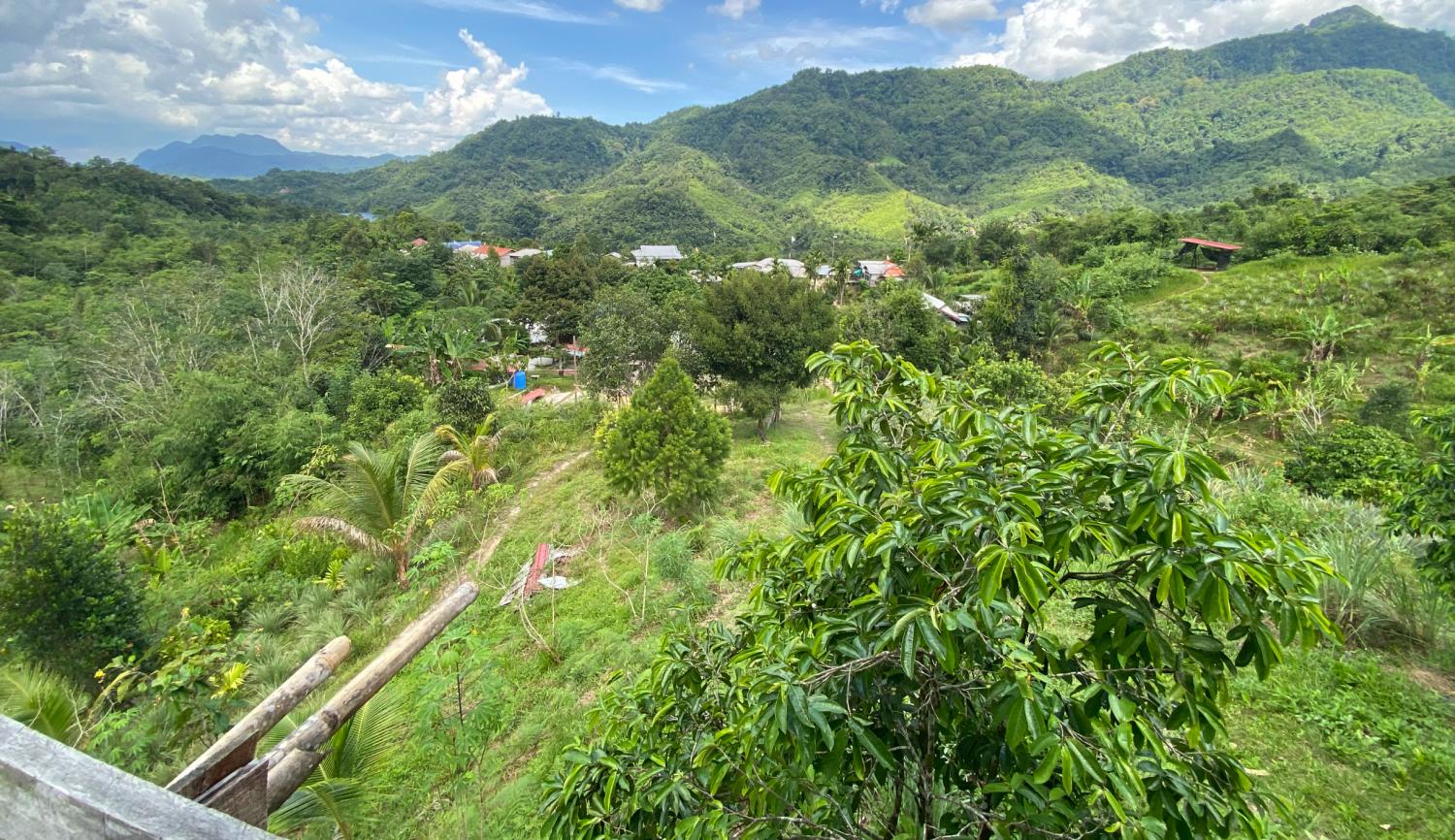
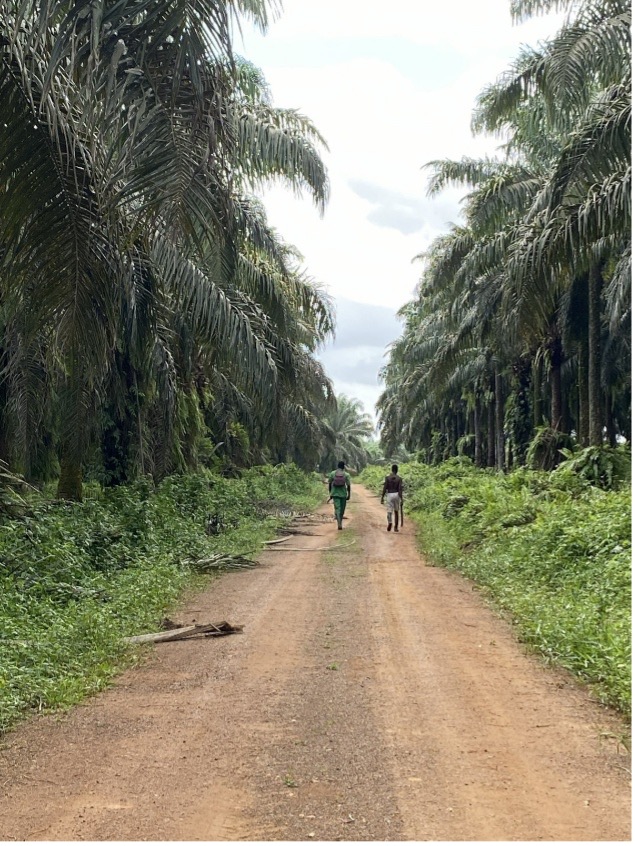
Deforestation and land use intensification in the tropical frontiers of Central Africa and Southeast Asia are rapidly transforming landscapes, livelihoods and local well-being. This is both a global environmental problem and a social-ecological crisis. This project has carried out critical analyses of the complex histories, political and institutional dynamics, and discursive practices in forest-agriculture frontiers and their consequences on local well-being and ecologies. The rich interdisciplinary datasets and comparative analyses allow us to identify the enabling and hindering conditions for more equitable and sustainable development in frontiers.
FairFrontiers Project web site
What have we learned and to what extent?
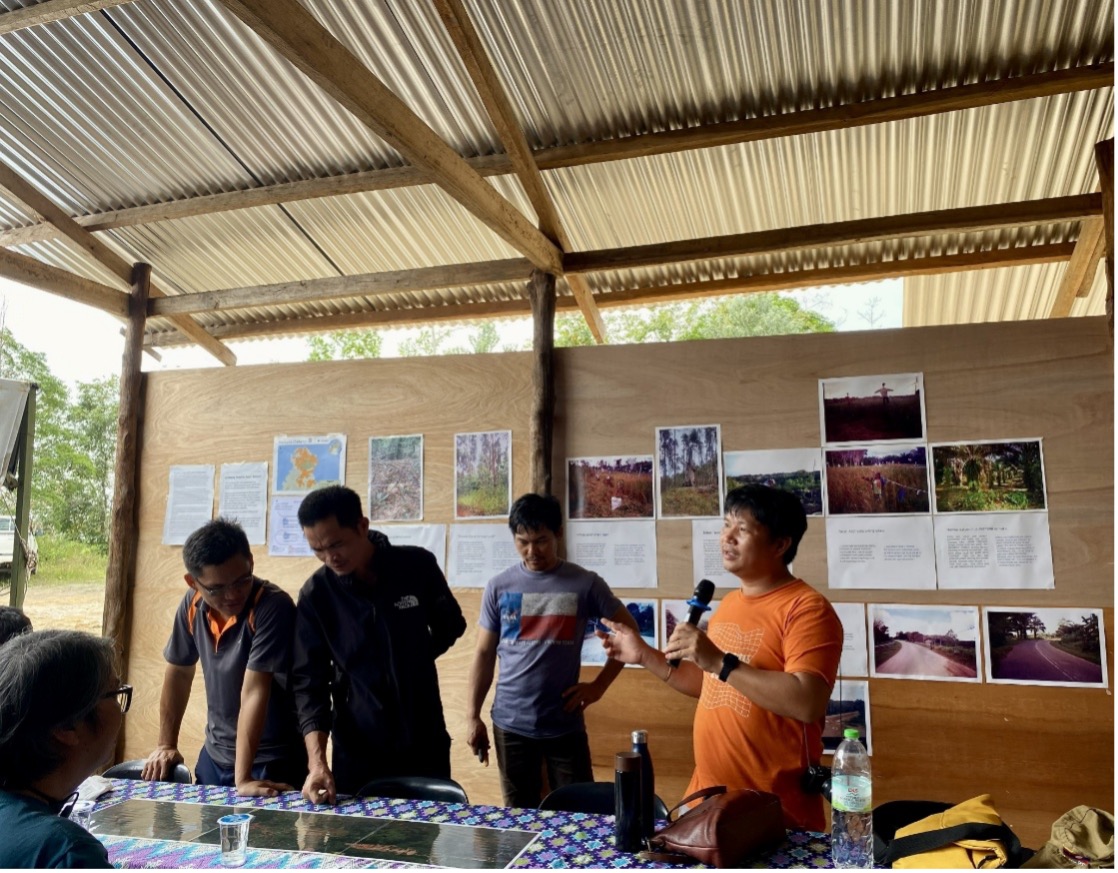
The FairFrontiers research links the global with the local in examining mechanisms of frontier change and inequities, and gives precedence to the non-material, relational and that which are often ‘silent’ in development processes. We applied political economy methods to examine the interests underlying flows of investments and discourses that take hold in frontiers, and participatory and political ecology approaches to understand local agency, culture and relational values. Methods such as photovoice were important for not just understanding local stories, but also for aligning engagement, resistance and hope. Our research findings suggest that a transformation towards sustainable and equitable development pathways is only possible with disruptions of existing power relations, discursive practices, and incentive structures that are propping up the business-as-usual extractive activities. The interdisciplinarity of studies in five countries across two continents have advanced grounded and contextual understandings of equity, discourse-making and the social-ecological in frontiers.
Our concept of global environmental studies
The project has contributed to the intellectual thinking around frontiers. Frontiers are not simply remote or far-away spaces, but are spaces ‘imagined’ as having unlimited possibilities for extraction and framed as being integral to economic activity. The political histories of place matter in how frontier spaces are imagined, territorialized and made investible, and in how local people have engaged, have been displaced or ignored. The project has produced over 30 publications. Our research contributes towards deeper and nuanced understandings of the different mechanisms of frontier-making and local injustices of dispossession and exclusion occurring throughout the Global South, and we join global calls for recognizing local and indigenous rights and their capability as key partners in development processes in frontiers.
New connections
The project has formed new connections and revived former collaborations with research partners in the study sites. Our partners are diverse and include academic researchers, indigenous and land rights activists, conservation practitioners, government officers and indigenous village members. The close working relationships and trust amongst project members and country partners have led to diverse ways of knowing and understanding equity, well-being and human-nature relations. Transformations require a collaborative weaving of science, knowledges, arts and practice to create a conscientious and collective revolution in how we relate to the planet and to each other. With our project members, we have found kinship for a conscientious and collective revolution through respectful collaborations and a commitment to critical research. The project adopted a transdisciplinary approach to support partners as ‘boundary actors’ who can translate research results to influence relevant national and regional policy issues, and engage with policymakers, development implementers and other key societal actors beyond the project’s lifetime.
Member
Project Leader
WONG Grace
Evaluation by an external evaluation committee
Research schedule
| 2019 | 2020 | 2022 | 2023 | 2024 | 2025 |
|---|---|---|---|---|---|
| FS | FS/PR | FR1 | FR2 | FR3 | FR4 |