Combining Knowledge for a Fundamental Innovation of Land Use Program
SATOCONN Project
Satoyama Reconnections: Engaging Communities in Resilient, Nature- and Climate-positive Land Use Futures
Abstract
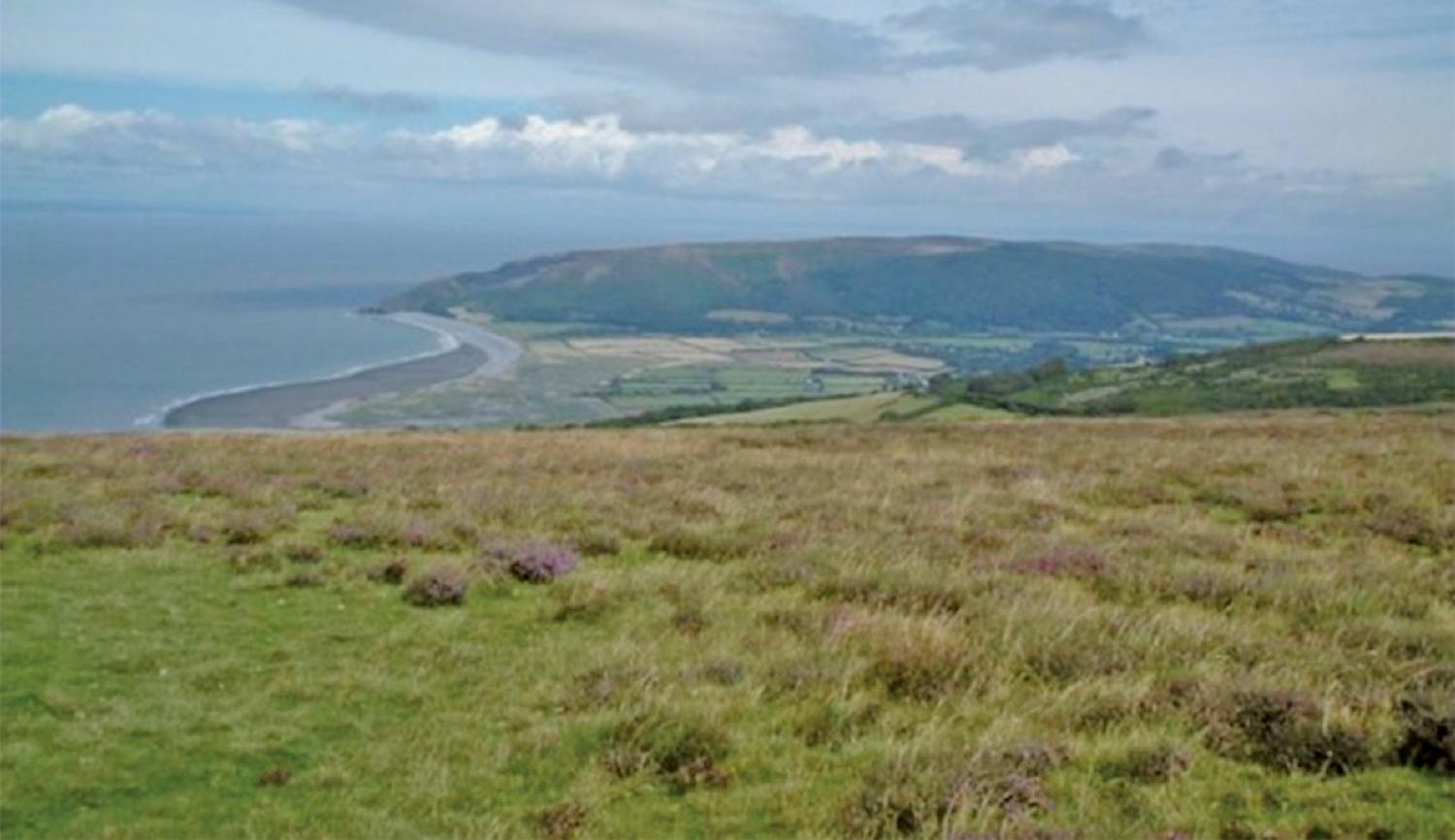
In many developed economies, fragmentation of the goals and drivers for land use linked to the pursuit of commodity production and higher financial returns has fractured and weakened former longstanding interdependencies between people and nature, contributing to significant environmental and social damage. Satoyama, as promoted by the IPSI partnership, highlights the importance of recognising and working with longstanding cultures and knowledge of land management and people-nature interdependence in rural communities, in order to repair such damage. This project aims to identify, understand and promote options for enhanced land-use governance, ownership and stewardship. SATOCONN is mobilizing multi-actor partnerships via six living labs in satoyama high nature value landscapes across Europe and Japan. We are testing innovative approaches to reconnect and revitalize people-nature interconnections, learning from the past and prospecting for a nature-and-climate-resilient future.
The deep interdependence of people and nature is often noted but rarely supported in modern economies and societies. Satoyama high-nature-value landscapes hold a vital repository of assets, knowledge and skills that can help affirm and renew this interdependence, but their future is challenged by lack of appreciation and support from policies, legal institutions, markets and wider societal processes, in Japan and Europe. This project seeks to reconnect people with the values and understanding coming from Satoyama, exploring improved ways to tackle current and future ecological challenges, including biodiversity decline and the climate emergency.
Our four-year research project involves integrated and transdisciplinary analysis and engagement in partnership with local actors, to characterize and revitalize Satoyama landscapes in Europe and Japan. It aims to achieve a deep understanding of their challenges and opportunities for strengthened (re) connection between people and nature, to enable appropriate and resilient responses to global climate and biodiversity crises.
SATOCONN deploys a Living Labs framework, to engage research, practice and policy in planning and undertaking action for positive change. Insight from natural and social science, heritage and performance arts will be developed and shared within and between six contrasting case studies. The ‘living lab’ approach has gained prominence in recent participatory and impact-oriented studies as a method enabling experimentation and real-world change alongside research and public engagement. A four-stage process: visioning; experimenting; learning and promoting transferable practice; is centred around the animation and facilitation of place-based examples of challenge and change.
In our two Japanese and four European cases (UK, Switzerland, Sweden and Portugal), we are partnering to mobilise living labs that will benefit local communities and inform global, national and regional policies. Indigenous and expert knowledge will combine in new ways to strengthen Satoyama concepts and contemporary practice, to revitalize and sustain cultural landscapes, making a positive contribution to more resilient rural futures. The research team has longstanding experience using embedded, participatory methods in our case study locations, with multi-disciplinary expertise spanning ecology, landscape, agriculture, forestry, economics, sociology, political science, heritage and arts. We co-develop our labs with local stakeholders including farmers and communities, institutional and policy actors, to seek impact at local, regional/ prefectural and national levels. SATOCONN will also train and empower a cohort of young European and Japanese researchers to apply and develop transdisciplinary methods to benefit people and planet, working as respectful partners with communities and policymakers.
Our goal is to help society to recognize the value of a continued and strengthened Satoyama ethic, in future land use governance and action.
Results
What we know so far
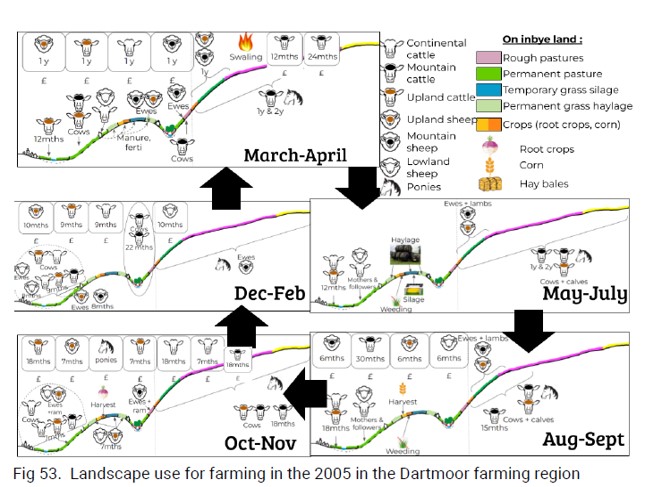
In our first research year, the research teams were established and training provided for early-career researchers in Europe and Japan. In-depth discussion and guidance were developed to support our Satoyama Integrated Landscape Assessment (SILA) method and share skills and experience in facilitating living labs. Teams are being deployed to undertake the SILA in each location, building upon the core method of agrarian diagnosis, adapted to respond to our multifunctional mix of land uses. We are simultaneously testing, reflecting upon and refining the approach as we progress in partnership with local actors, mobilising indigenous and expert knowledge.
A full team meeting was held in Kyoto in September 2025, enabling valuable learning and exchange between cases. Our web-site launched in summer 2025 and we have established our International Advisory Board of experts in policy and practice, as well as building a SATOCONN dissemination, communication and exploitation plan and developing initial theories of change, identifying potential pathways to impact. The teams in each location have established good connections with their communities and begun to select and plan living lab actions together, supported by agrarian diagnosis work, stakeholder mapping and other activities.
We are refining emerging results of our six SILA, and reflecting on learnings from this novel method. Briefings will be produced for policy makers, examining the benefits and challenges of integrated multifunctional and systemic landscape assessment.
Noteworthy items
Our initial work to compare the context in each of the six case study areas has demonstrated considerable similarities in respect of current challenges and the systemic nature of changes occurring across their territories. We already identify a common portfolio of constraints and drivers of change weakening satoyama cultures, as well as common potential responses, but combined in different ways to suit the unique situation in each case, supporting positive ways forward.
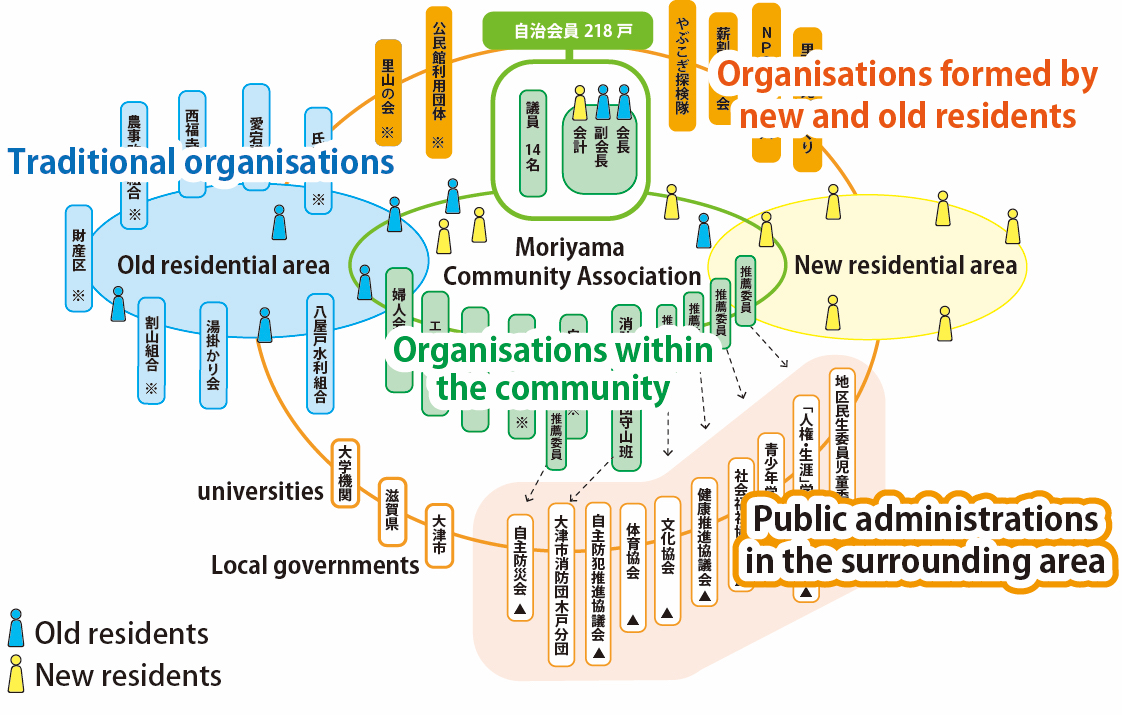
Demographic decline, inadequate governance and increasing land-use conflict are linked to low levels of understanding of human-nature interlinkages and their value for well-being, among many in society. Nevertheless, in our cases we identify both older and young people who have an appreciation of these fundamental connections. Entrepreneurial actors and groups are important, as well as communities who continue to invest time and effort maintaining cultural and social practices and knowledge to share between longstanding and newly-arriving households. Good relations between researchers, policy makers and practitioners have been established, enabling early discussion and examination of the motivations and capacities that must underpin our living labs.
We have also identified gaps in knowledge and/or the gathering and interrogation of information that is important for the project. More accessible ecological condition and climate projection knowledge must be collated to enable effective future planning, as well as policy and social assessments to help us to establish the potential ‘room for manoeuvre’ and scope for change, in each case.
We have also identified a rich range of existing practice and custom associated with Satoyama, in all our cases, and plan to mobilize a variety of endogenous arts methods within the project, to deepen and enhance impact at all levels.
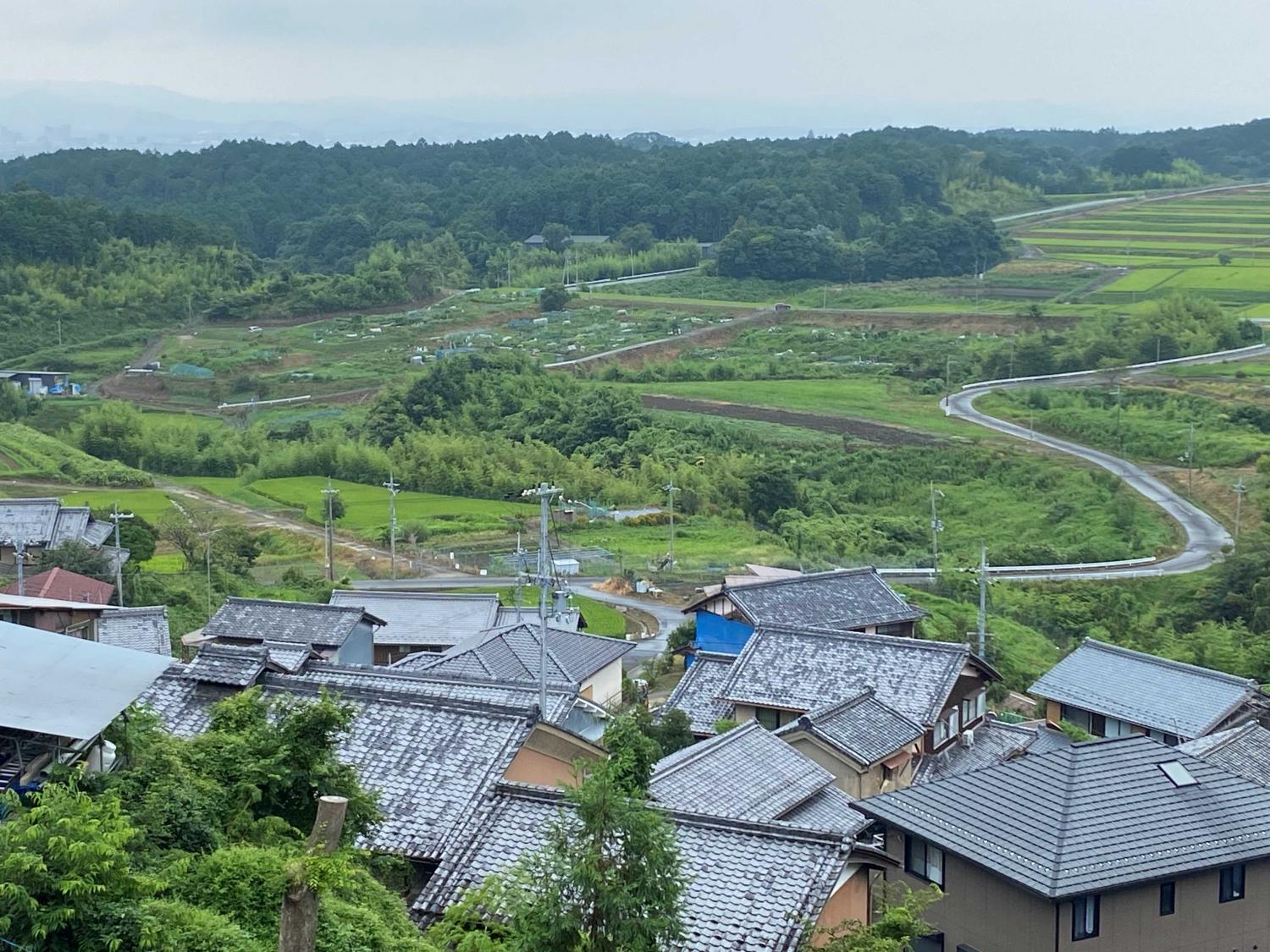
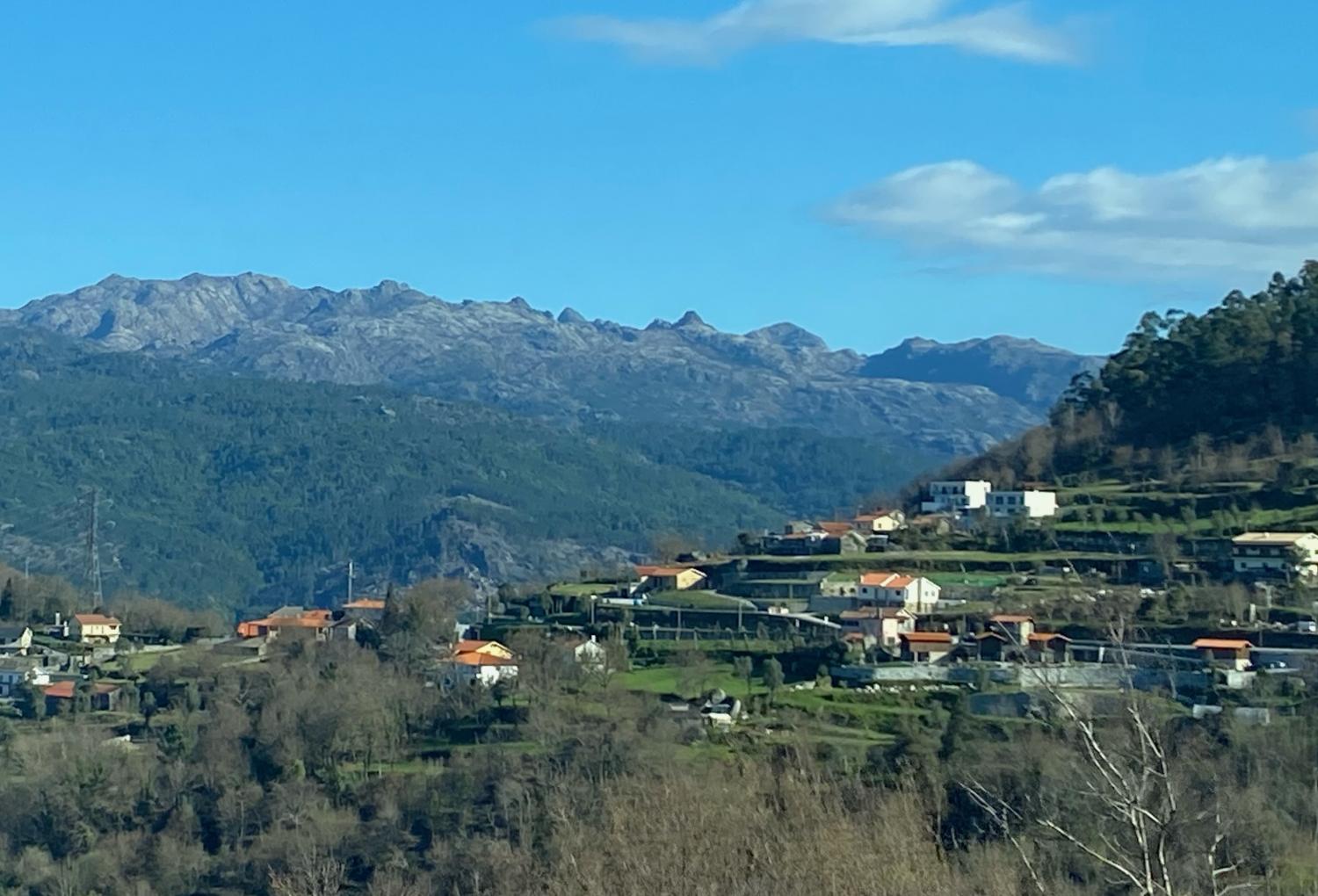
Member
Project Leader
DWYER, Janet
Professor, RIHN and University of Gloucestershire
Sub Leader
MANSFIELD, Lois (University of Gloucestershire)
Researchers at RIHN
Ei (Resercher)
OSAKI Risa (Reserch Assosiate)
Main Members
FUKAMACHI Katsue (Kyoto University)
KOBAYASHI, Mai (Kyoto University)
ASAI, Masayasu (Kyoto University)
KAWAHIGASHI, Natsuko (Kyoto University)
DEVIENNE, Sophie (AgroParisTech)
BOUIHED, Maryam (AgroParisTech)
SANDSTRÖM, Camilla (Umeå University)
KÖNIG, Fabio (Umeå University)
HALLER, Tobias (University of Bern)
LOMBA, Angela (University of Porto)
PINA, Ana Rita (University of Porto)
TOYODA Mitsuyo (Niigata University)
BLACK, Jasmine (Niigata University)
McCRACKEN, Davy (Scotland’s Rural College)
SHORT, Chris (University of Gloucestershire)
BEDINI, Gaia (University of Gloucestershire)
NOGUEIRA, Joana (Instituto Politécnico de Viana do Castelo)
NGUYEN, Bich Ngoc (RIHN)
Evaluation by an external evaluation committee
Research schedule
| 2023 | 2024 | 2025 | 2026 | 2027 | 2028 |
|---|---|---|---|---|---|
| FS | FS/PR | FR1 | FR2 | FR3 | FR4 |