Global Environmental Culture Program
Fashloks Project
Fair and Sustainable Hunting Management through Dialogues between Local Knowledge and Science
Abstract
Tropical rainforests worldwide are facing declines in wildlife populations due to excessive hunting. However, the implementation of strict conservation policies is also threatening the survival of local hunting cultures. To resolve this wild meat crisis, cooperation between local knowledge and science—through equal dialogue between local communities and conservation organisations—is essential. We aim to establish fair and sustainable hunting management through co-production research by local hunters and researchers.
Outline of the project
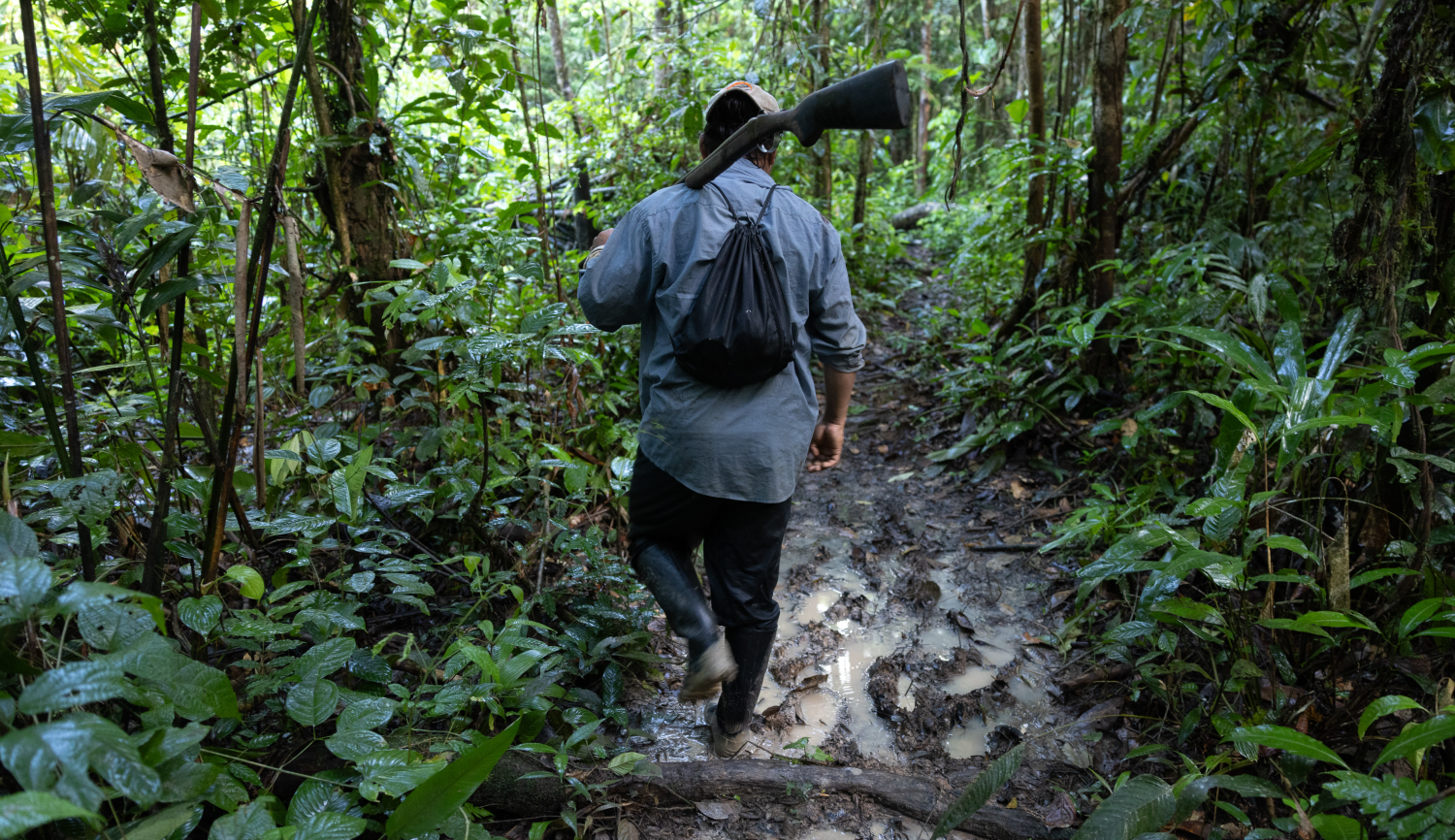
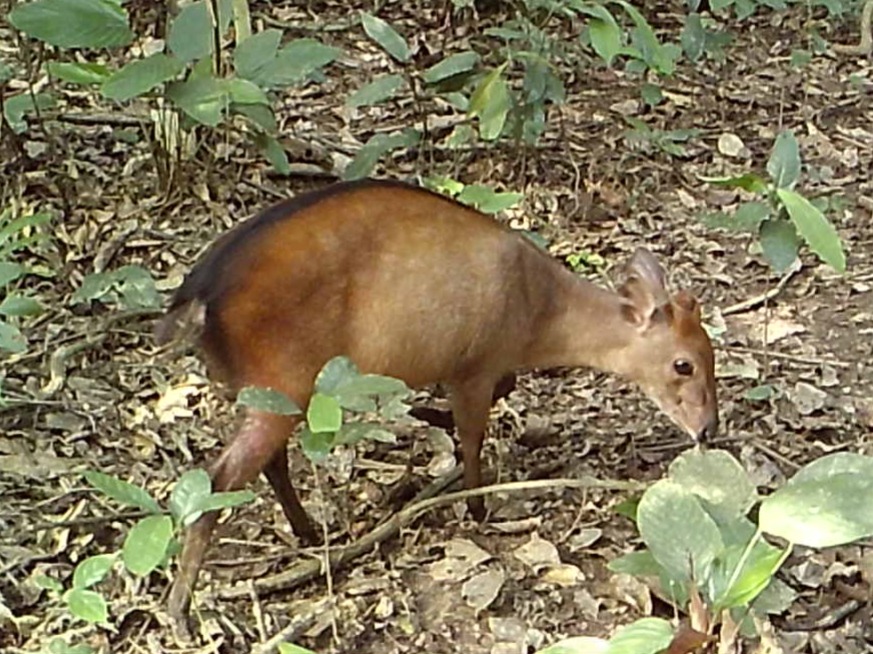
Wildlife in tropical rainforests supports the rich biodiversity of the forest through food chains and seed dispersal. For forest-living people, on the other hand, wildlife hunting provides a livelihood offering protein and income, while also being a source of cultural diversity that nurtures locally specific social norms and worldviews. However, over recent decades, hunting pressure in tropical forest regions has increased rapidly, leading to reports of significant declines in wildlife populations. This issue, termed the wild meat crisis, has drawn international attention, prompting governments to establish protected areas and impose strict hunting restrictions. Consequently, even subsistence hunting by local communities has been curtailed, creating friction between conservation agencies and residents.
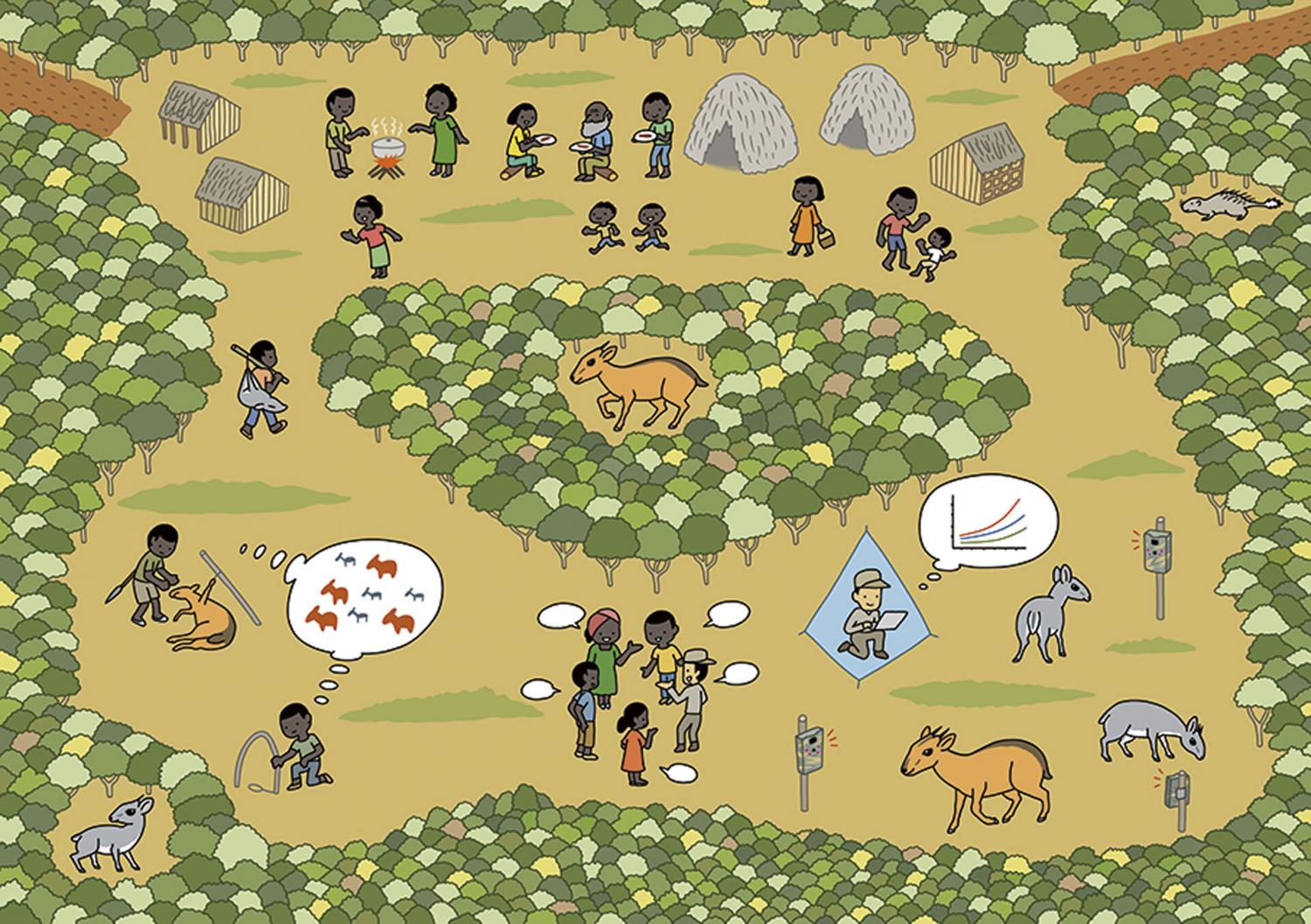
Furthermore, this issue is rooted in a disagreement over the nature of knowledge between researchers and conservation authorities grounded in scientific conservation ecology, and local hunters and communities who value experience and local knowledge. To reconcile biodiversity conservation with the sustenance of hunting cultures and to steer the wild meat crisis towards tangible solutions, co-production research grounded in equal dialogue between scientific and local knowledge experts is indispensable. We will propose wildlife monitoring methods grounded in the knowledge of both groups for tropical rainforests in the Congo Basin, the Amazon, and Southeast Asia. Moreover, we aim to establish hunting management systems in two core sites (Cameroon and Colombia) that actively incorporate subsistence hunting and are perceived as fair and sustainable by all diverse local actors.
Results
What we know so far
Our research activities have revealed site-specific differences in the relationships between scientific conservation and local culture, even within tropical rainforest regions. The Cameroon and Gabon sites prioritise conservation over culture; the Colombia and the Democratic Republic of the Congo sites place greater emphasis on culture; and the Borneo site faces mutual distrust that weakens the connection between conservation efforts and local culture. By documenting and comparing research activities across these sites, we can assess the effectiveness and challenges of the co-production research under different conditions.
Noteworthy items
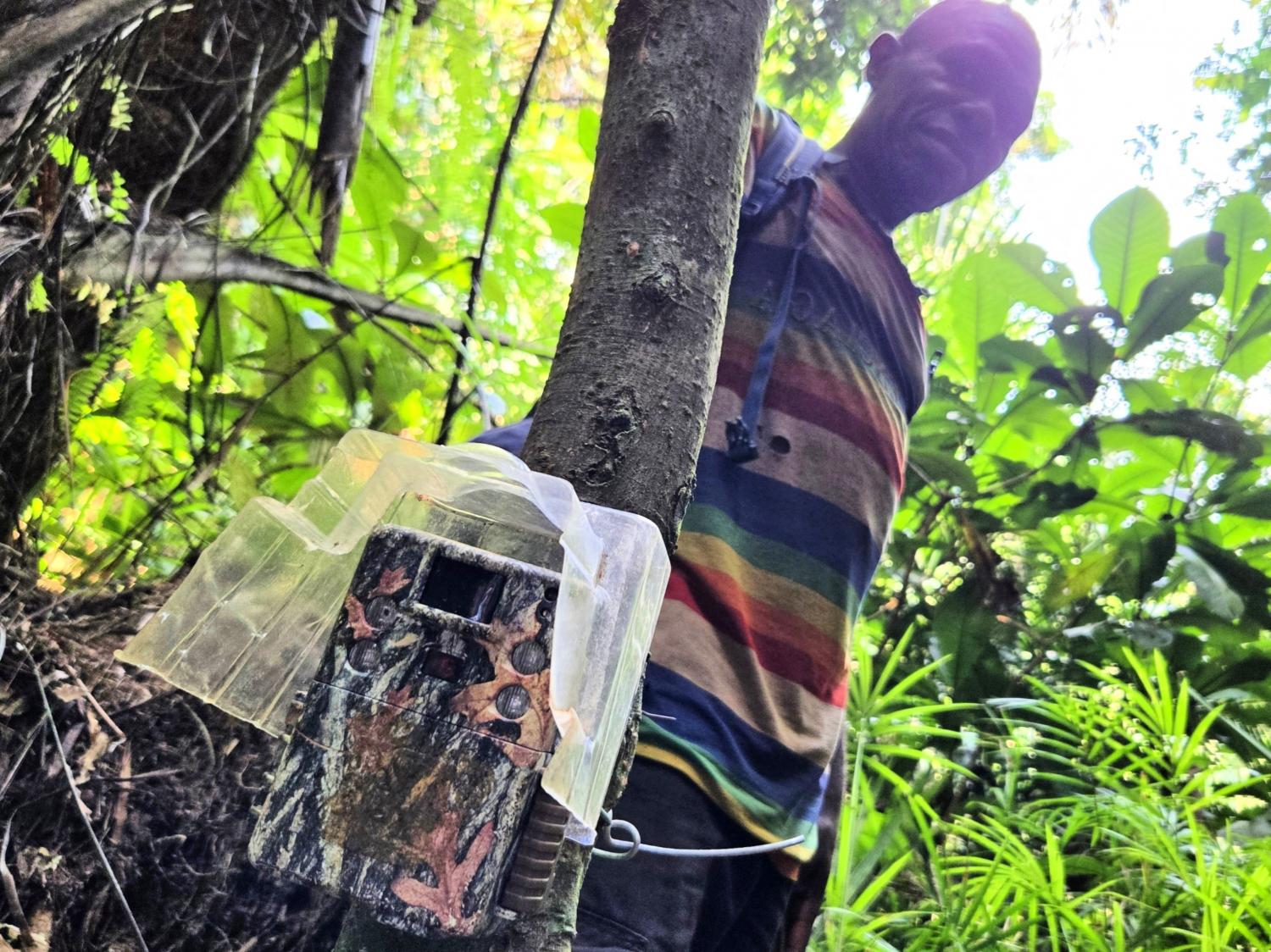
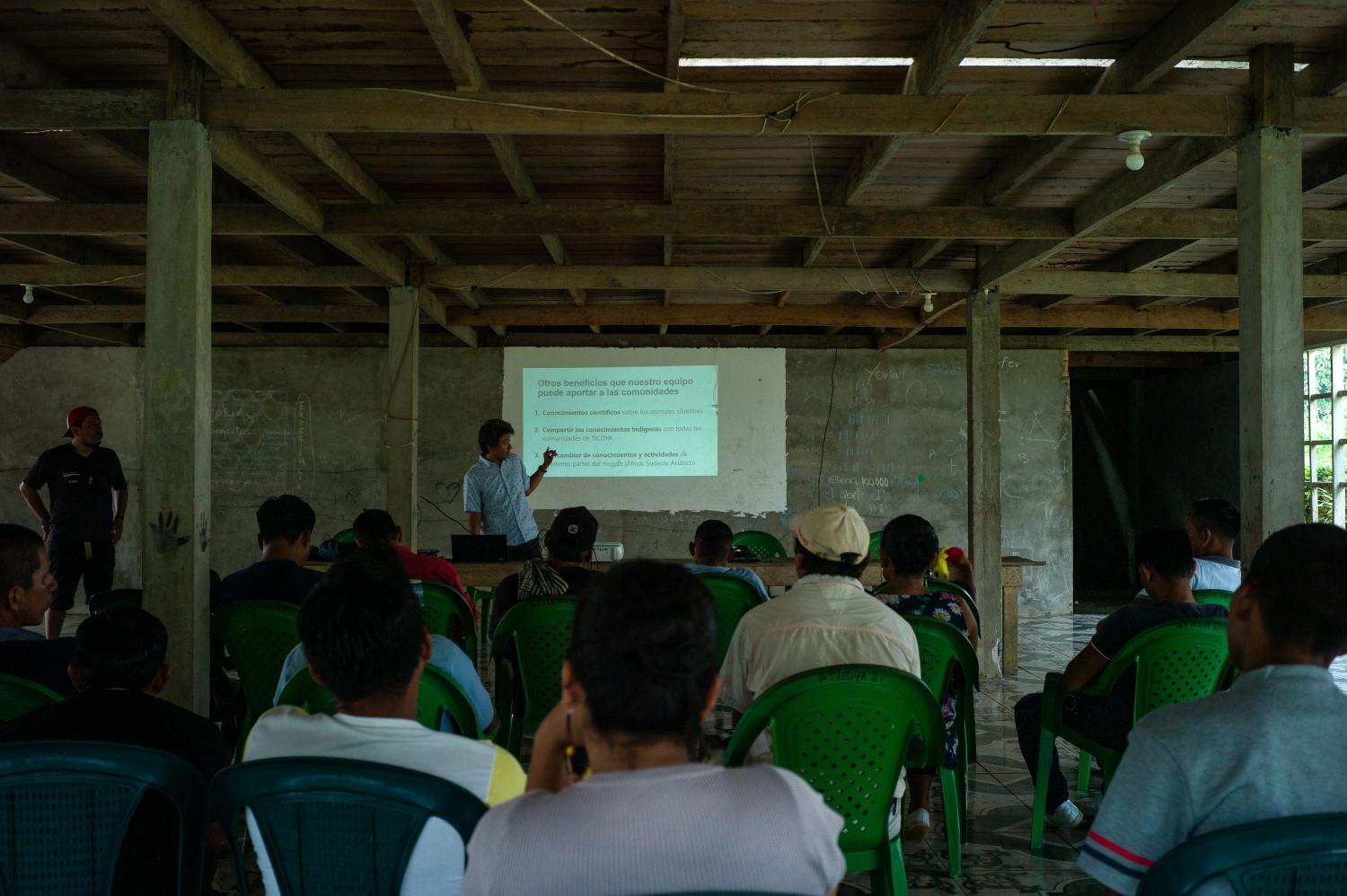
In FY2025, the inaugural year of the Full Research, we reorganised numerous previously proposed research topics into six activities, restructuring the project planning framework. Among the six categories, the members, primarily young researchers and PhD students, commenced fieldwork for two investigative activities—Anthropological Investigations and Ecological Investigations. In Cameroon, for instance, research commenced on topics such as “Collaborative practice with local communities regarding knowledge of traditional plant traps”, “The food culture of wild meat”, and “The impact of hunting residues (discarded organs and decaying carcasses) on the detritus food chain and soil nutrients”. In Colombia, we conducted investigations on “The impact of tourism on local communities’ values regarding wildlife” and “Estimating the diversity and population size of hunted mammals”. Moving forward, we plan to develop these into more co-produced approaches. Furthermore, we have signed cooperation agreements with partner research institutions in Sabah, Borneo (Universiti Malaysia Sabah) and Gabon (National Centre for Scientific and Technological Research), and have also signed a cooperation agreement with the Indigenous organisation at the Colombian site.
Member
Project Leader
HONGO Shun
Associate Professor, RIHN / Junior Associate Professor, Kyoto University
Sub Leader
TOKUYAMA Nahoko (Chuo University)
Researchers at RIHN
MURAMATSU Daisuke (Senior Researcher)
HASHIZUME Akane (Researcher)
KAMGAING TOWA, Olivier William (Researcher)
MONSALVE CUARTAS, Ana Maria (Researcher)
HANZAWA Maho (Researcher)
SEKINO Ayako (Researcher)
HIROSHIMA Yukiko (Research Associate)
Main Members
YASUOKA Hirokazu (Kyoto University)
VAN Vliet, Nathalie (Food and Agriculture Organisation of the United Nations)
NAKABAYASHI Miyabi (Hiroshima University)
MATSUURA Naoki (Sugiyama Jogakuen University)
NAKASHIMA Yoshihiro (Nihon University)
YOKOYAMA Takumasa (The University of Osaka)
Evaluation by an external evaluation committee
Research schedule
| 2023 | 2024 | 2025 | 2026 | 2027 | 2028 | 2029 |
|---|---|---|---|---|---|---|
| FS | FS/PR | FR1 | FR2 | FR3 | FR4 | FR5 |