January 9th, 2026
Topics
Linking Capacity Development and Global Dialogue: 7th TERRA⁺ School Held Back-to-Back with 20th RIHN International Symposium
The Research Institute for Humanity and Nature (RIHN) hosted the seventh Transdisciplinarity for Early-career Researchers in Asia⁺ School (TERRA⁺ School) in Kyoto from December 4 to 9, 2025, in conjunction with the RIHN International Symposium. Holding the TERRA⁺ School alongside this international forum created a unique setting in which capacity development for early-career researchers was directly linked to high-level global dialogue.
This close alignment enabled TERRA⁺ School participants to engage with the symposium from its opening, including pitch talks and poster sessions. Participants presented their own research projects and experiences of stakeholder engagement, inspiring lively exchanges with symposium attendees. These interactions enriched discussions on both sides, allowing early-career researchers to situate their work within broader debates on green social transformation, while symposium participants gained insight into emerging transdisciplinary practices and perspectives.
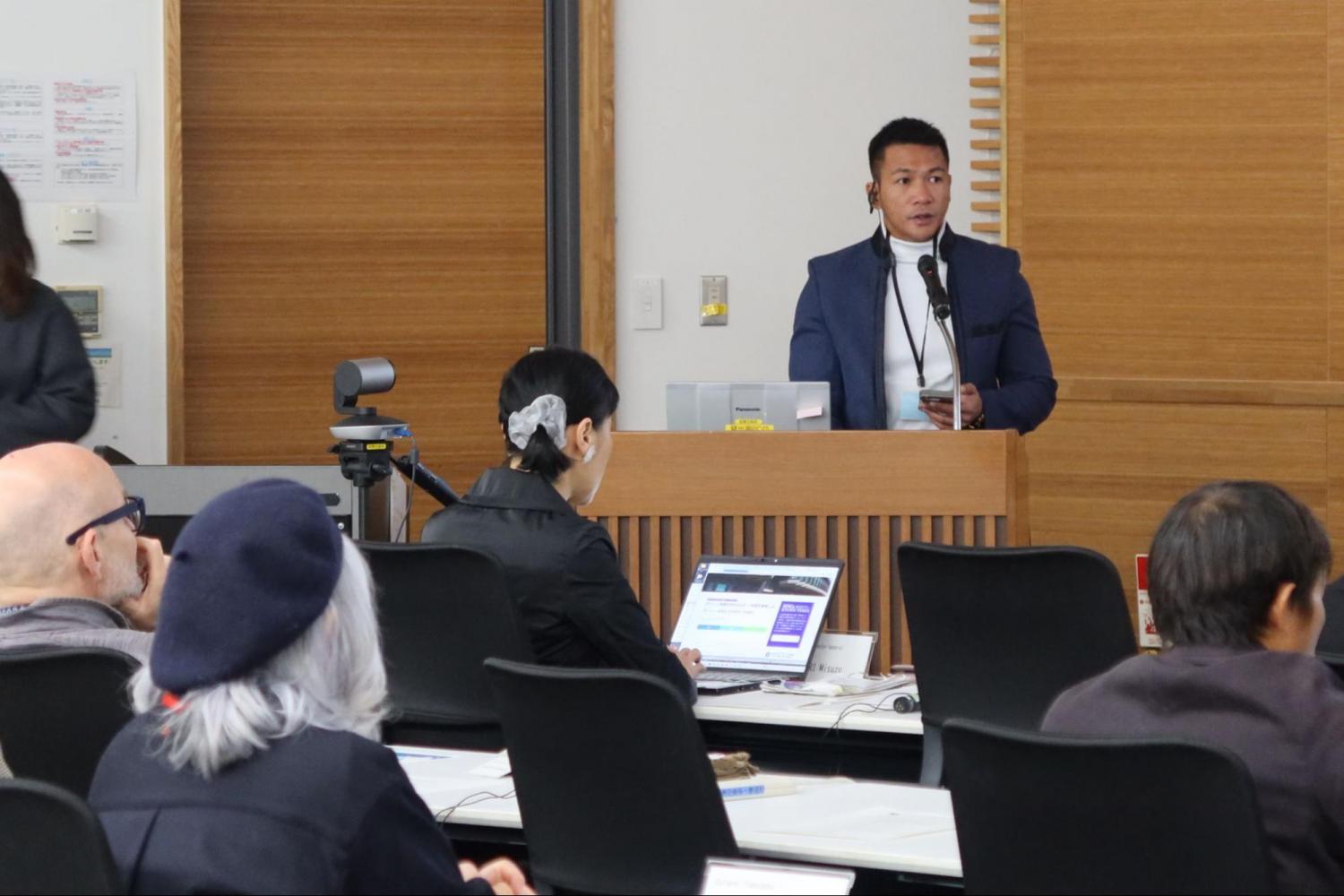
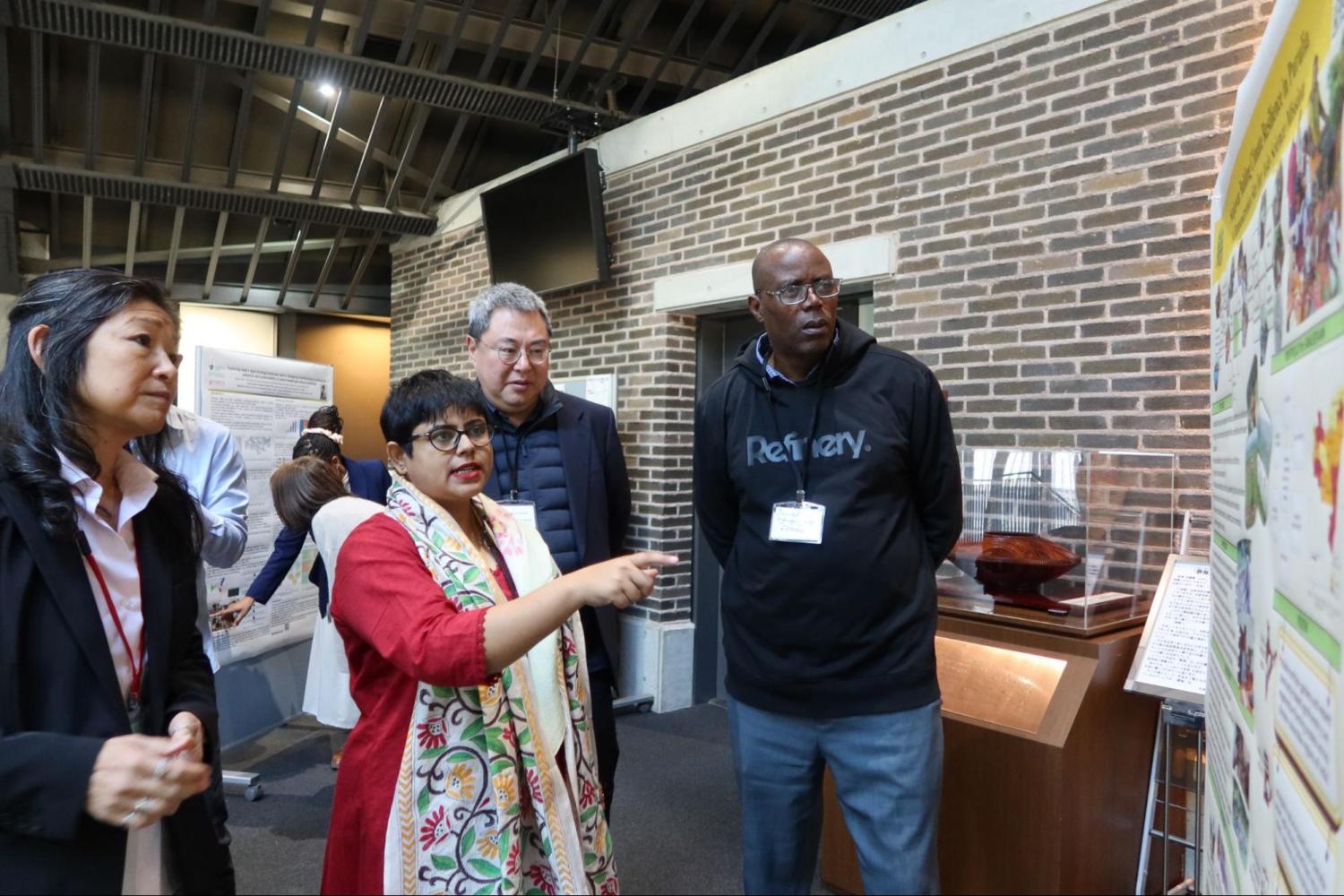
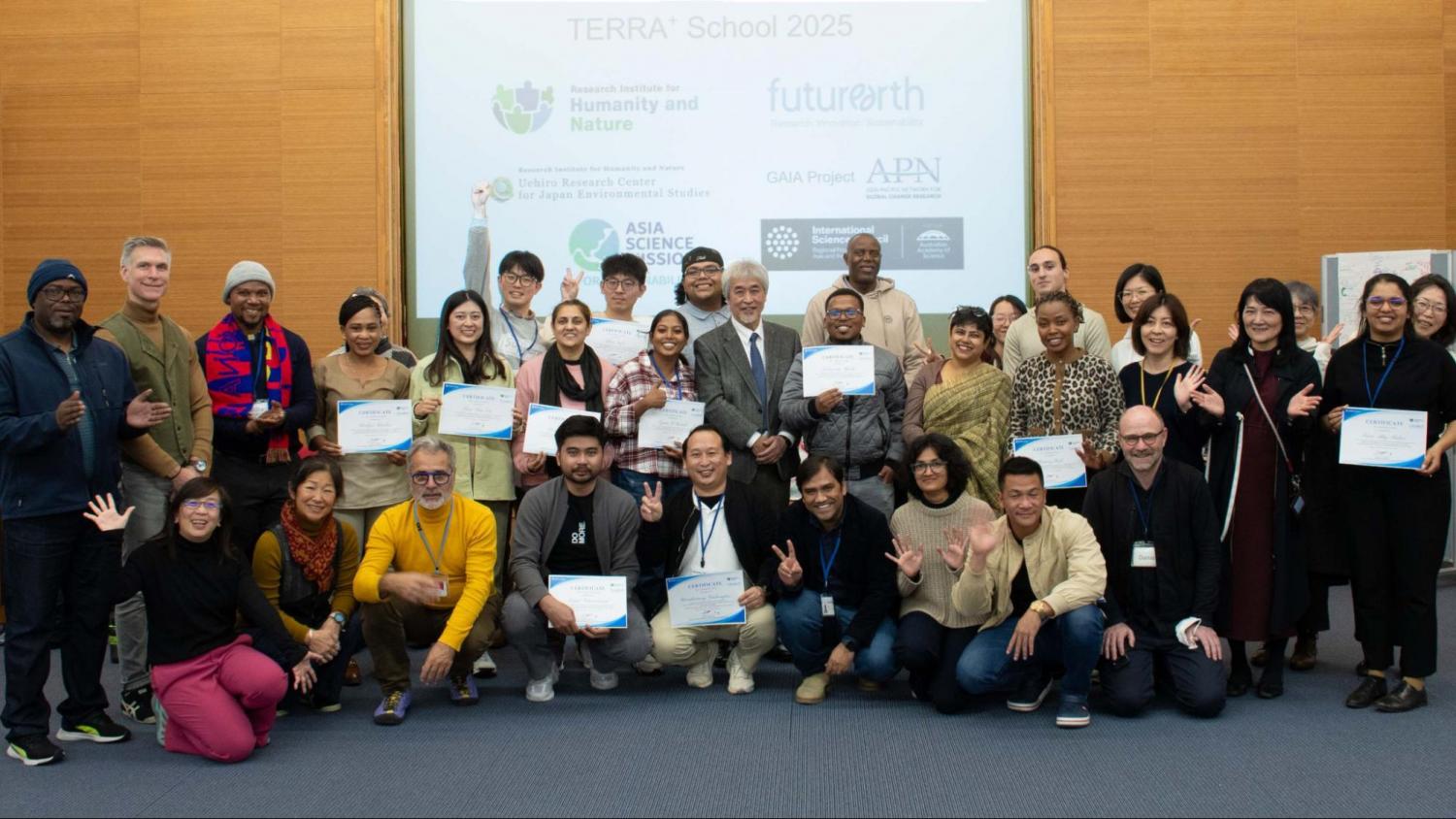
The five-day TERRA⁺ School program was held in collaboration with the Future Earth Global Secretariat Hub Japan, the Uehiro Research Center for Japan Environmental Studies, the Green Knowledge Center, the Asia Science Mission*, and the Asia-Pacific Network for Global Change Research. It brought together 17 early-career researchers and practitioners from 11 countries and regions across Asia, Africa, and the United States, reflecting the School’s expanding international reach. This year’s cohort represented a wide range of disciplines and professional backgrounds, spanning fields such as environmental justice, conservation biology, climate change, environmental economics, energy systems, and cultural studies, and included participants from academia as well as Indigenous and community-based non-profit organizations.
A notable feature of the 2025 cohort was the participation of six participants and observers from Future Earth Africa, highlighting growing interest in adapting the TERRA⁺ School model to other regional contexts. In addition, two core members from demonstration sites of the Asia Science Mission—an international transdisciplinary research program in which RIHN is a core partner—joined the School, strengthening links between capacity-building efforts and ongoing international TD initiatives.
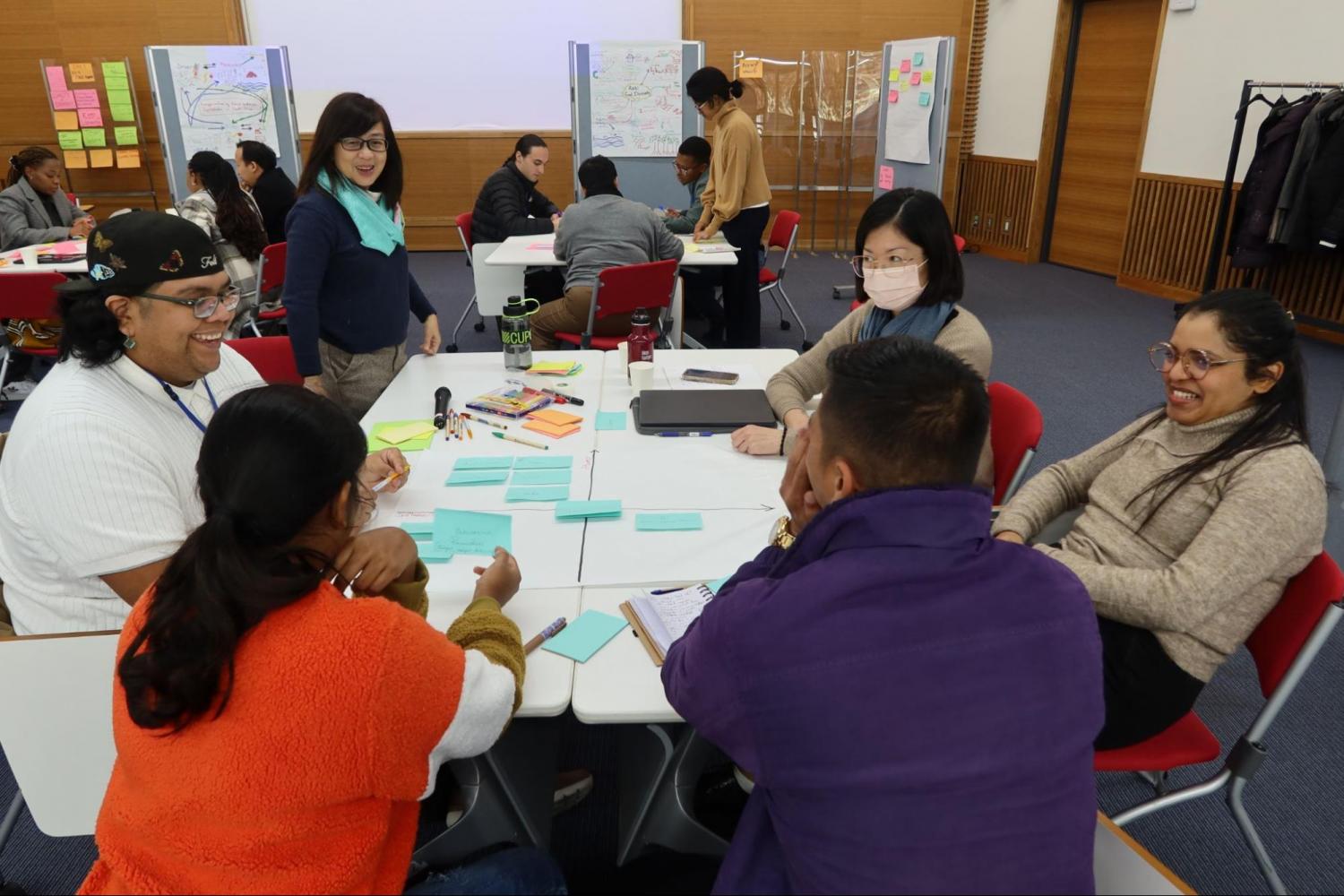
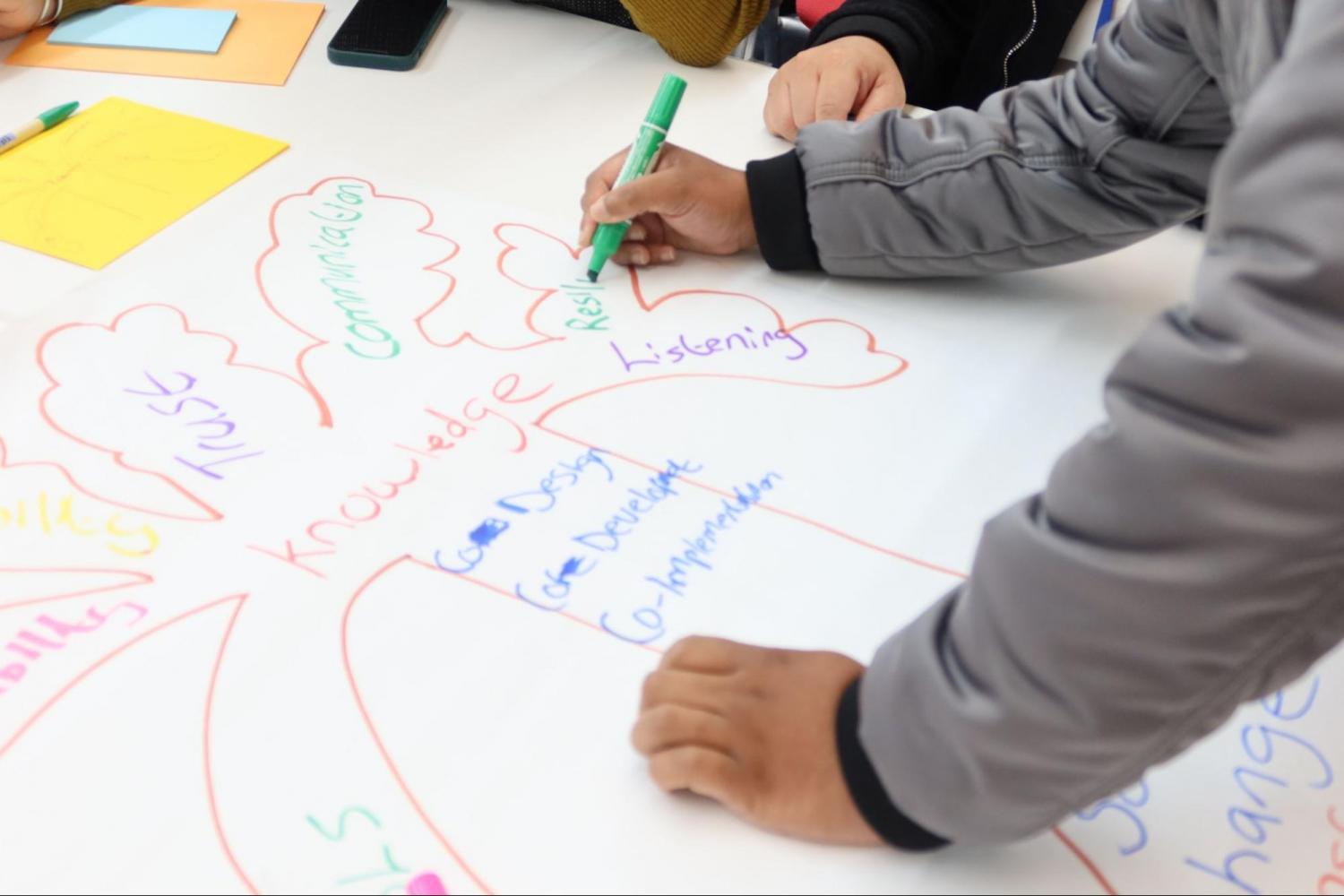
The TERRA⁺ School also serves as a platform for RIHN to share its accumulated interdisciplinary and transdisciplinary research insights with early-career researchers. Case studies drawn from RIHN research projects played a central role in grounding transdisciplinary concepts in real-world experience. Rather than presenting idealized models, these cases highlighted both achievements and challenges. The FEAST Project illustrated the importance of openness, flexibility, and diversity in framing research questions and engaging stakeholders, while also reflecting on tensions between academic rigor and action-oriented outcomes. The Fair Frontier Project demonstrated participatory approaches such as focus group discussions, ecosystem service ranking, participatory mapping, alongside the use of Photovoice as a method to amplify the voices of marginalized groups. The LINKAGE project showed their projection mapping model that provides visualization for groundwater flow and changes in land use, useful for stakeholder meetings and discussions on governance. The Organic Circulation Project introduced the “RIHN compost” technology, showcasing how scientific innovation, institutional collaboration, and community engagement can be integrated to address urban–rural resource circulation.
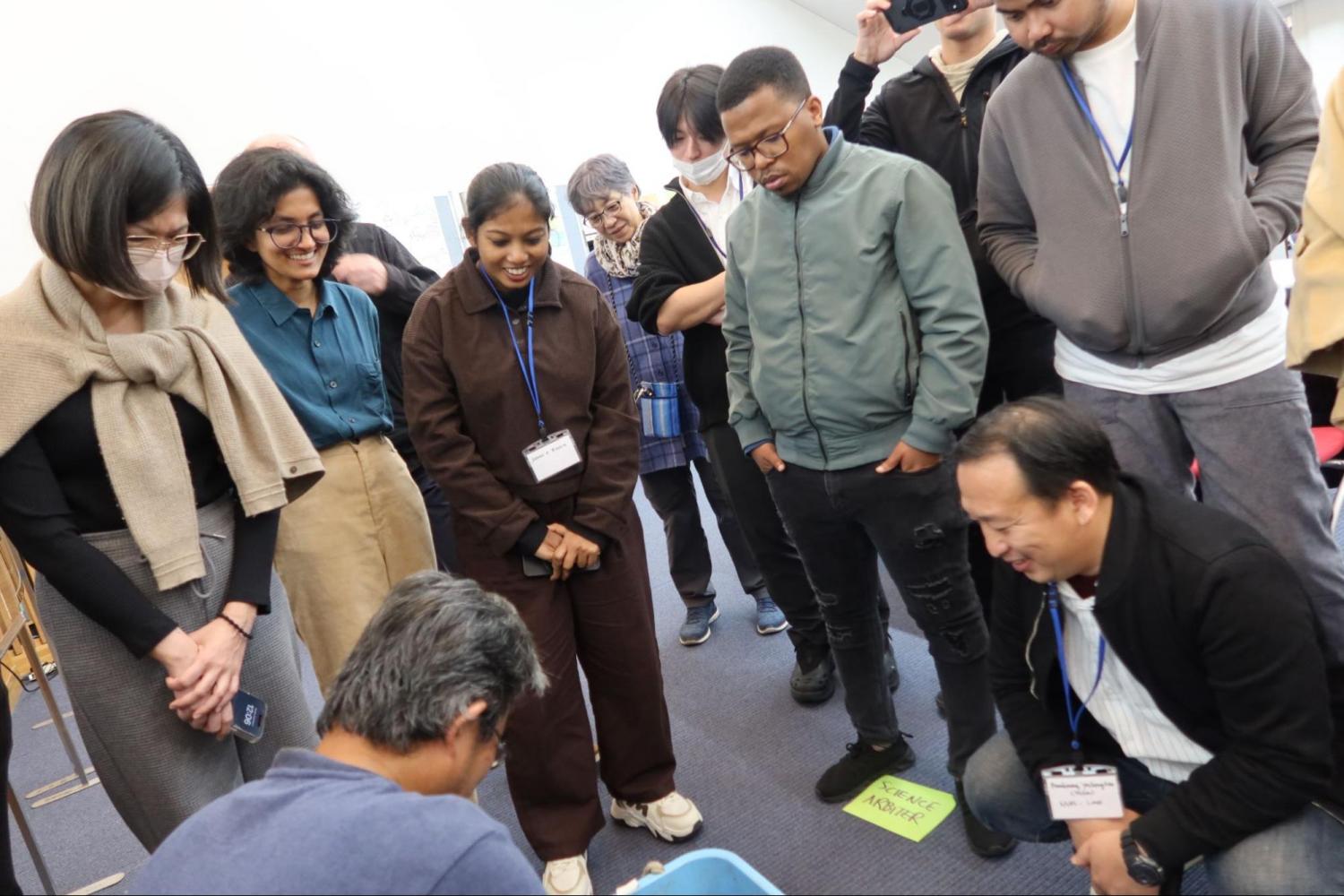
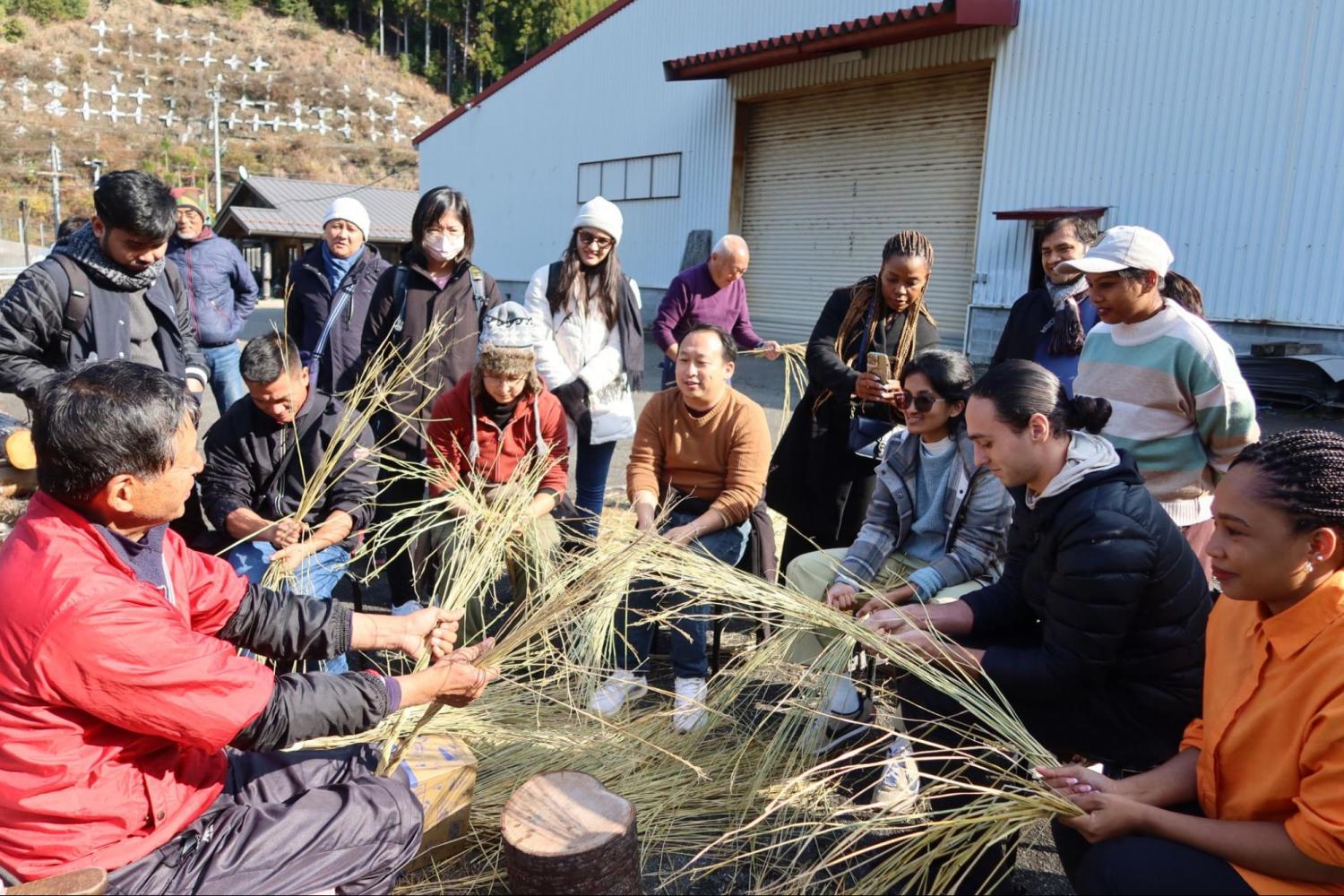
Participants also took part in a one-day field visit to Keihoku, a suburban area of Kyoto City, where they engaged with local initiatives addressing sustainability challenges such as population aging and resource circulation. The visit included the Zero Emission Satoyama SDGs House, the Kyoto Satoyama Biogas Plant “Meguru,” and repurposed school facilities such as the Kyoto Satoyama SDGs Lab “KOTOS,” as well as participation in shimenawa (sacred rope) making, a traditional cultural practice rooted in the local community.
Established in 2019, the TERRA⁺ School has welcomed 116 early-career researchers and practitioners to date across Asia and beyond, offering structured opportunities to engage with the concepts, methods, and practical realities of transdisciplinary research, with a strong emphasis on reflexivity and real-world application. Several alumni have since become collaborators in RIHN research projects, underscoring the program’s longer-term impact.
This year, by holding the TERRA⁺ School consecutively with the RIHN International Symposium, RIHN created an integrated space for learning, exchange, and reflection that connected early-career capacity development with global discussions on green social transformation. RIHN continues to foster transdisciplinary research capabilities while building bridges between generations, regions, and sectors, working toward sustainability.
The ASM is supported by the ISC Regional Focal Point for Asia and the Pacific, which is funded by the Australian Department of Industry, Science and Resources and led by the Australian Academy of Science. The five-year programme (2023-2028) is working to ensure that regional needs and priorities are adequately represented in the International Science Council’s global agenda on issues of major importance to both science and society.