Feasibility Study
Co-creation of the Earth-human System Program
Rituals and Positive/Negative relational values: The nexus and co- creation of humans, culture, and nature
Abstract
Local supernatural belief systems and rituals, such as sacred forests around shrines and fish memorial ceremonies held by fishing communities, may contribute to environmental conservation. This project applies approaches from ecology, psychology, mathematical biology, folklore studies, and religious studies to clarify how such beliefs and rituals influence environmental thought and pro-environmental behavior. Based on these findings, we aim to create new resources and values.
Why This Research?
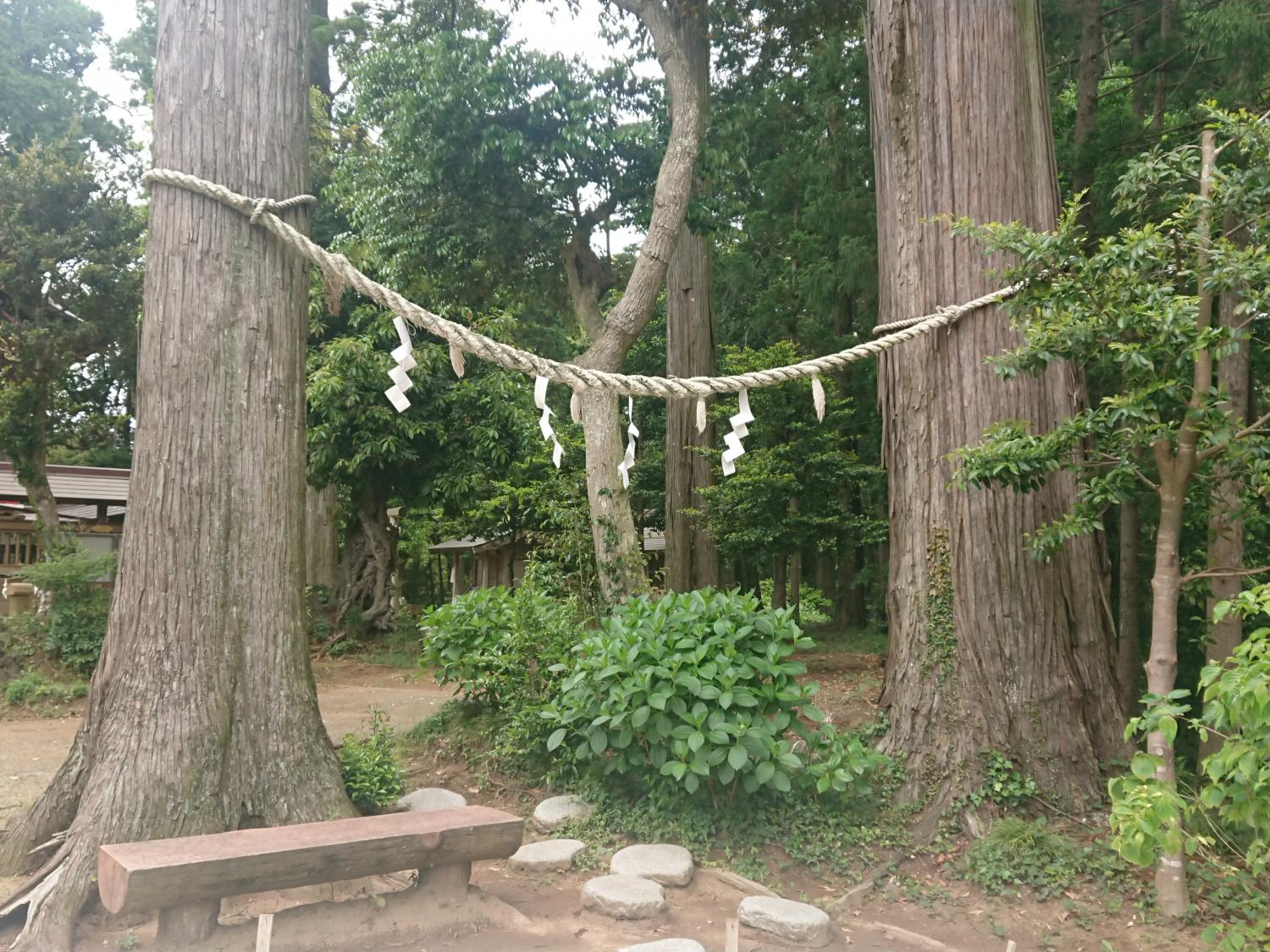
In order to protect the natural environment, it is said that we must clarify the “value of nature.” Traditionally, this has meant understanding which aspects of nature are important not merely because they provide resources or benefits to humans, but because nature itself has intrinsic value. However, such abstract thinking may not necessarily lead to concrete actions to protect the environment. Therefore, attention has been drawn to local people’s views and behaviors regarding nature. Our research focuses on supernatural belief systems and rituals, aiming to reassess their roles in maintaining sustainable relationships between humans and nature. For example, forests around shrines are revered as the dwelling places of gods, and fish memorial ceremonies among fishers express gratitude for nature’s blessings. Such beliefs and rituals may promote sustainable use of nature. By clarifying the functions of these localized practices, we aim to create new values and resources that contribute not only to solving environmental problems but also issues like depopulation in rural areas.
Results
What we want to do
This research seeks to answer the central question:‘How do supernatural belief systems and rituals influence environmental thought and pro-environmental behavior?’ To explore this, we take a four-pronged approach: theoretical, empirical, fieldwork, and applied. In the theoretical component, we propose models from environmental ethics and mathematical biology. In the empirical component, we create a scale to assess environmental thought from a psychological standpoint and examine its correlation with beliefs and rituals. In the fieldwork component, we conduct surveys and literature reviews in areas such as Lake Biwa and Touge in Yamagata to understand local human-nature relationships. In the applied component, we propose ways to effectively utilize local resources and values, based on our findings, to local governments, society, and especially religious institutions such as shrines and temples.
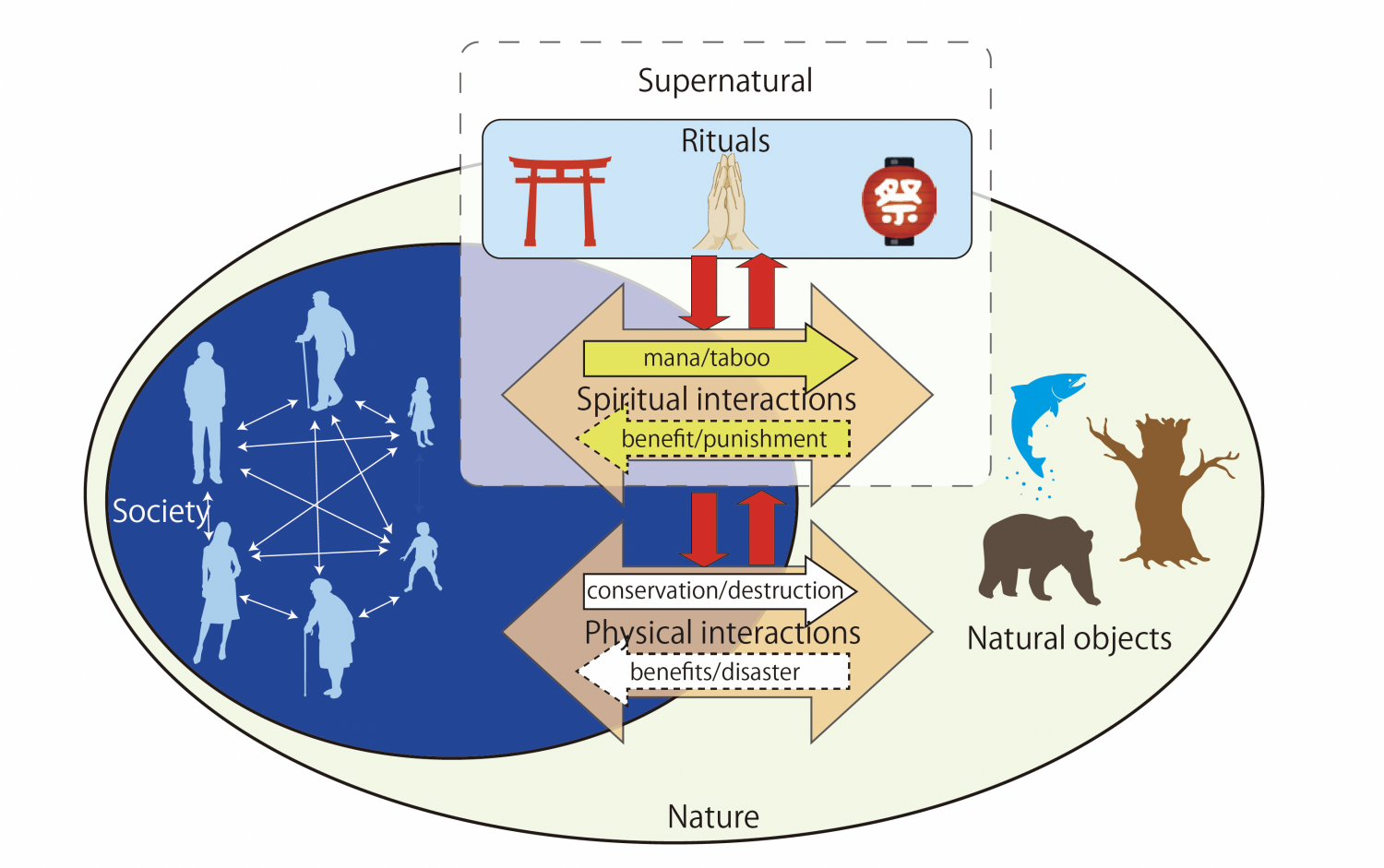 Figure 1: Overall concept of the project
News
-
{{ data.disp_date }}
{{ data.content }}
Member
FS Principal Investigator
NAKADAI Ryosuke
Lecturer, Faculty of Environment and Information Sciences, Yokohama National University
Main Members
FUJII Shuhei Kokugakuin University
SHIBASAKI Shota Doshisha University
TATEISHI Wakaba Hokkaido Musashi Women’s University
NAKAWAKE Yo JAIST
YOSHIDA Yuki National Institute for Environmental Studies
AMADA Akinori Hokkaido University
HASHIMOTO Michinori Kyoto Kacho University
KOBAYASHI Keiko Nagano Environmental Conservation Research Institute